A windshield replacement feels like a quick job until you get to the last step: waiting. You get your keys back, everything looks finished, and the natural question is when it is actually safe to drive.
That wait is not a random rule or a formality. It’s tied to how the windshield is bonded to the vehicle and how that bond behaves during the first critical stretch after installation.
Why The Wait Time Exists
Your windshield is more than a piece of glass that keeps bugs out. It’s bonded in place with urethane adhesive, and that bond adds strength to the vehicle’s structure. On many vehicles, the windshield also plays a role in how the passenger-side airbag deploys and stays directed where it needs to go.
Right after replacement, the adhesive is still curing. It may look set from the outside, but it has not reached its required strength yet. Driving too soon can compromise the bond before it has a chance to properly grab and stabilize.
Safe Drive-Away Time Versus Full Cure
There are two timelines people mix up: safe drive-away time and full cure time. Safe drive-away time is the minimum time you should wait before driving because the adhesive has cured enough to hold the windshield in place under normal driving conditions.
Full cure takes longer. Depending on the adhesive and conditions, the bond can continue strengthening for a full day or more. That does not mean you have to park the car for a day, but it does mean you should treat the first 24 to 48 hours as a settling period.
What Changes How Long You Need To Wait
There is no single universal number that fits every vehicle and every installation. The wait time depends on several factors, and a few of them can change from one day to the next.
- Adhesive type matters. Some urethanes are designed for faster cure times than others.
- Temperature and humidity matter. Cooler conditions usually slow curing, and very dry conditions can change cure behavior too.
- Vehicle design matters. Some vehicles have different bonding surfaces, glass thickness, or airbag configurations that affect requirements.
- The windshield size and weight matter. A larger glass requires more caution while the bond reaches initial strength.
We always set the drive-away time based on the adhesive being used and the conditions at the time of installation, not a generic estimate.
What You Can Do During The First Hour After Replacement
Once you’re cleared to drive, the goal is to keep pressure and movement gentle while the adhesive finishes its early-stage cure. Most issues that appear after replacement stem from minor stresses that occur right away.
Close doors carefully for the rest of the day. A hard door slam can create a pressure change inside the cabin, and that pressure can nudge a fresh bond before it has fully stabilized. It also helps to avoid rough roads, high-speed blasts of airflow, or anything that flexes the body more than normal during that first drive.
The First 24 To 48 Hours After Windshield Replacement
Even after you can drive, the bond is still gaining strength. This is the window where a few simple precautions can prevent wind noise, leaks, or bonding issues later.
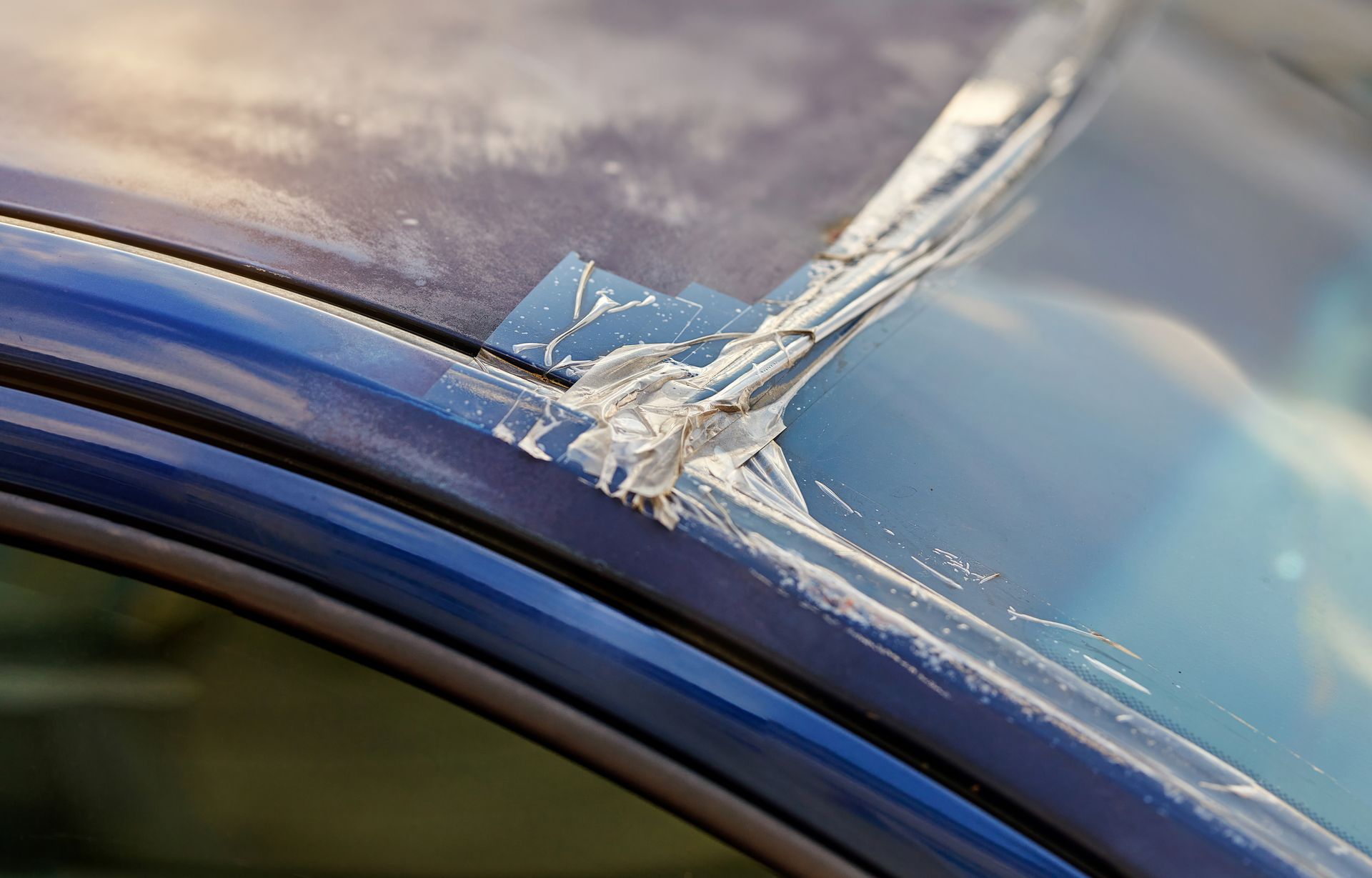
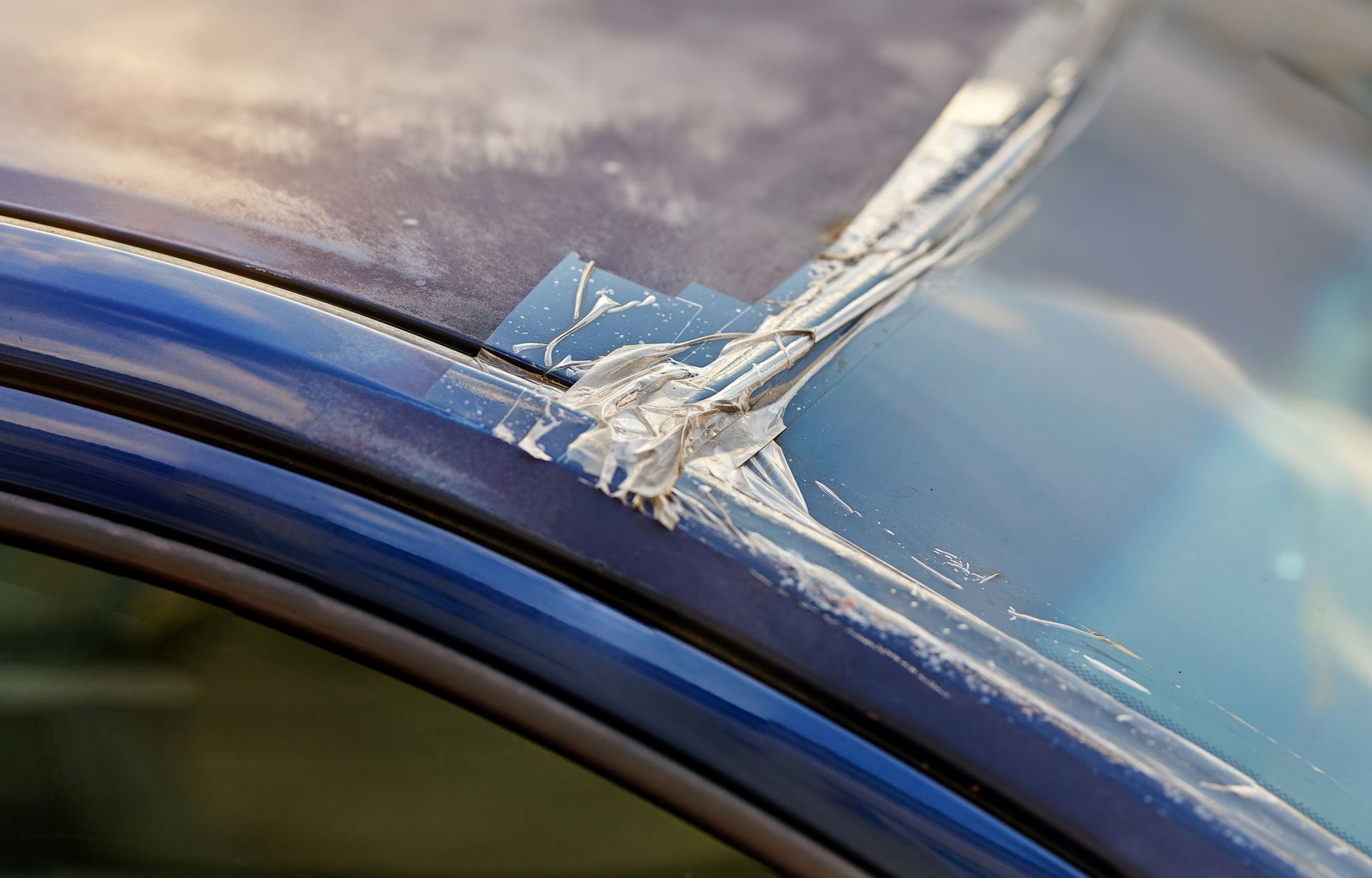
- Leave any retention tape in place as directed, since it helps the glass stay positioned while the adhesive continues curing.
- Avoid automatic car washes for at least a day or two, since high-pressure water can work into a fresh seal.
- Skip heavy-duty detailing around the windshield edge for the same reason.
- Try to park in a stable temperature environment when possible, since extreme heat swings can stress a fresh bond.
- Keep an eye out for water intrusion after rain, because catching a small seal issue early is far easier than living with it.
None of this needs to be stressful. It is simply giving the adhesive the time it needs to finish the job.
ADAS Cameras And Calibration Timing
Many modern vehicles have a forward-facing camera or sensor cluster near the top of the windshield. If your vehicle uses driver-assist features like lane guidance or automatic emergency braking, a windshield replacement can require calibration so the system knows exactly what it is looking at again.
Sometimes calibration is done the same day. Sometimes it is scheduled right after the glass is installed. Either way, it is part of returning the vehicle to proper safety function, not an optional add-on. If you notice a driver-assist warning on the dashboard after replacement, take it seriously and get it addressed.
Signs Something Needs Attention After Replacement
Most windshield replacements go quietly and you never think about them again. When something is off, the signals are usually consistent and easy to spot once you know what to watch for.
Wind noise that wasn’t there before, water leaks during rain, persistent fogging near the edges, or trim that looks slightly out of place can point to a seal or fitment issue. If the dashboard shows new warnings related to cameras or driver-assist systems, that can indicate calibration is needed. If you notice any of those changes, it’s worth getting it checked sooner rather than letting it linger.
Get Windshield Replacement in Yuma, AZ, with Yuma Auto Glass & Window Tint
We can replace your windshield, set the correct safe drive-away time for your vehicle, and make sure the installation is sealed and secure. We’ll also help address camera-related calibration needs when your vehicle requires it, so your safety features work as designed.
Call
Yuma Auto Glass & Window Tint in Yuma, AZ, to schedule windshield replacement and get back on the road with confidence.