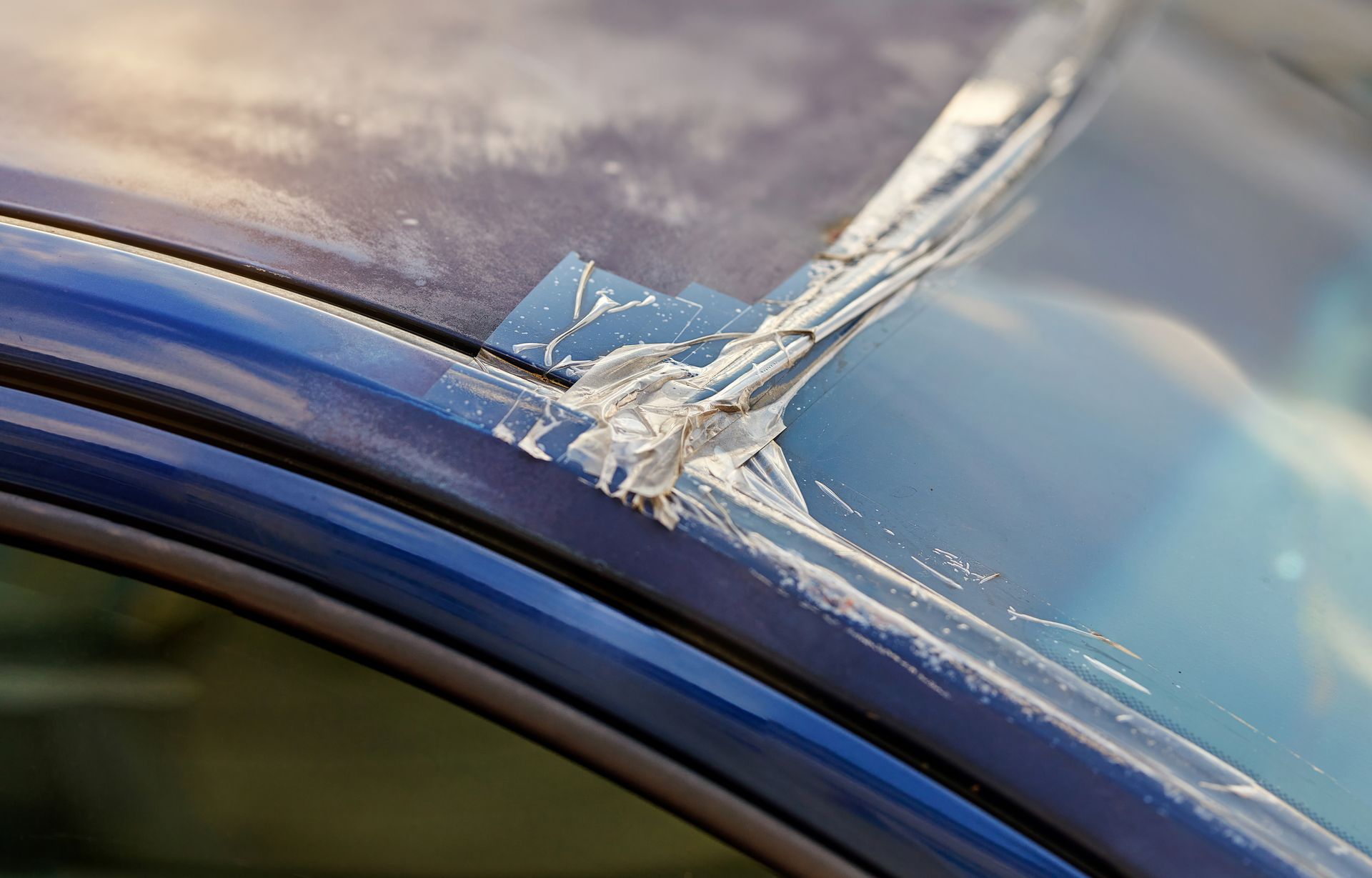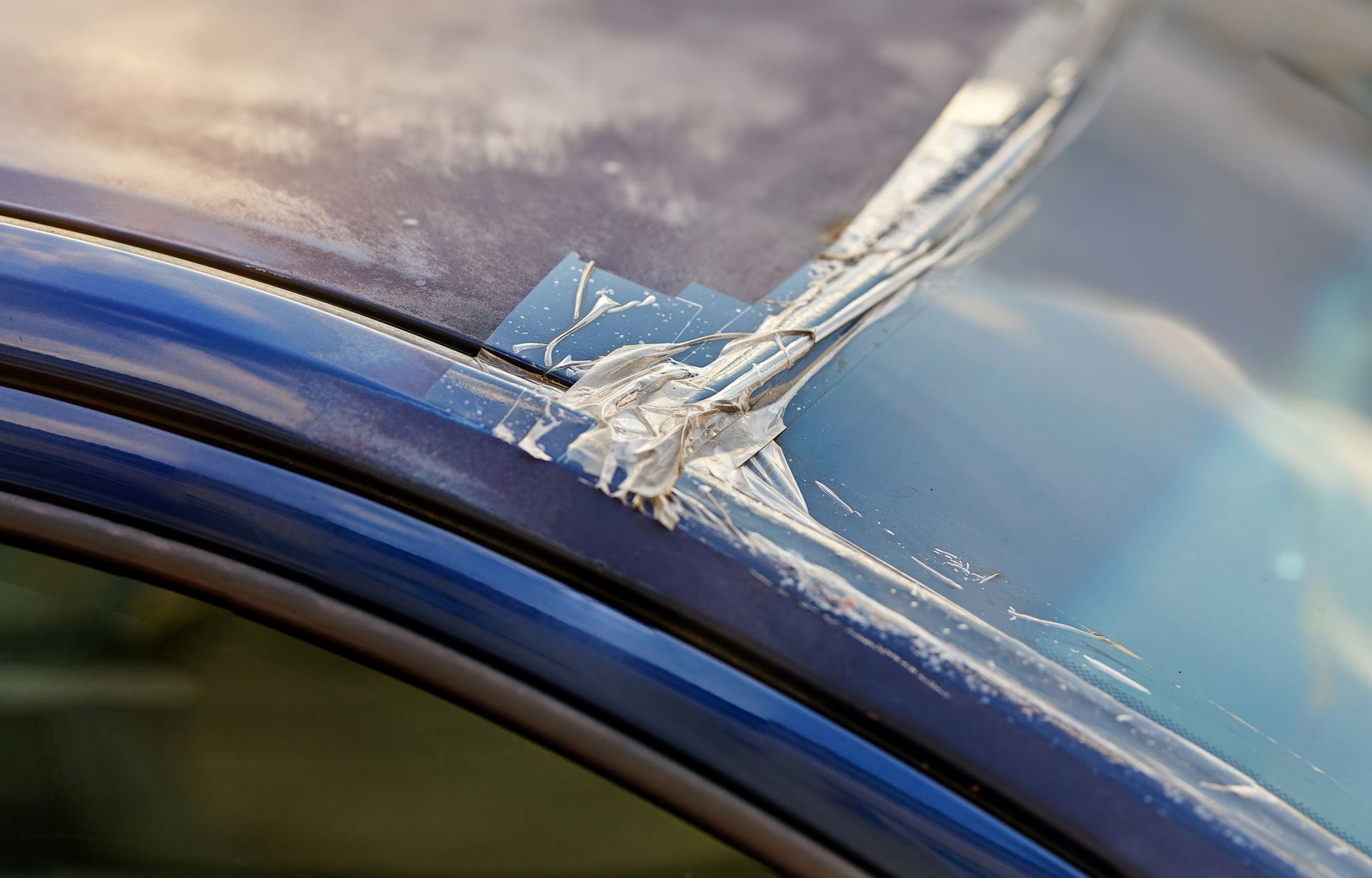
A rock chip on your windshield never shows up at a good time. You notice a tiny crater or star pattern, then see a cheap repair kit on a store shelf and think you can fix it in a few minutes.
Some of those kits can buy time in very specific situations, but they can just as easily turn a simple repair into a bigger and more expensive problem if things do not go perfectly.
Why Small Windshield Chips Deserve Serious Attention
A modern windshield is part of your vehicle’s safety structure, not just a piece of glass you look through. It helps support the roof in a rollover, it gives airbags something solid to push against, and it is designed to crack in a controlled way instead of shattering. A chip or small crack may look harmless, yet it can weaken that structure more than most drivers realize.
Chips also do not stay small forever. Heat, vibration, rough roads, and temperature swings all work on that damaged area. A tiny star may sit there for weeks, then suddenly run across half the glass after a cold night or a hot day. That is why we treat chips as early warning signs, not cosmetic blemishes.
How DIY Windshield Repair Kits Are Supposed to Work
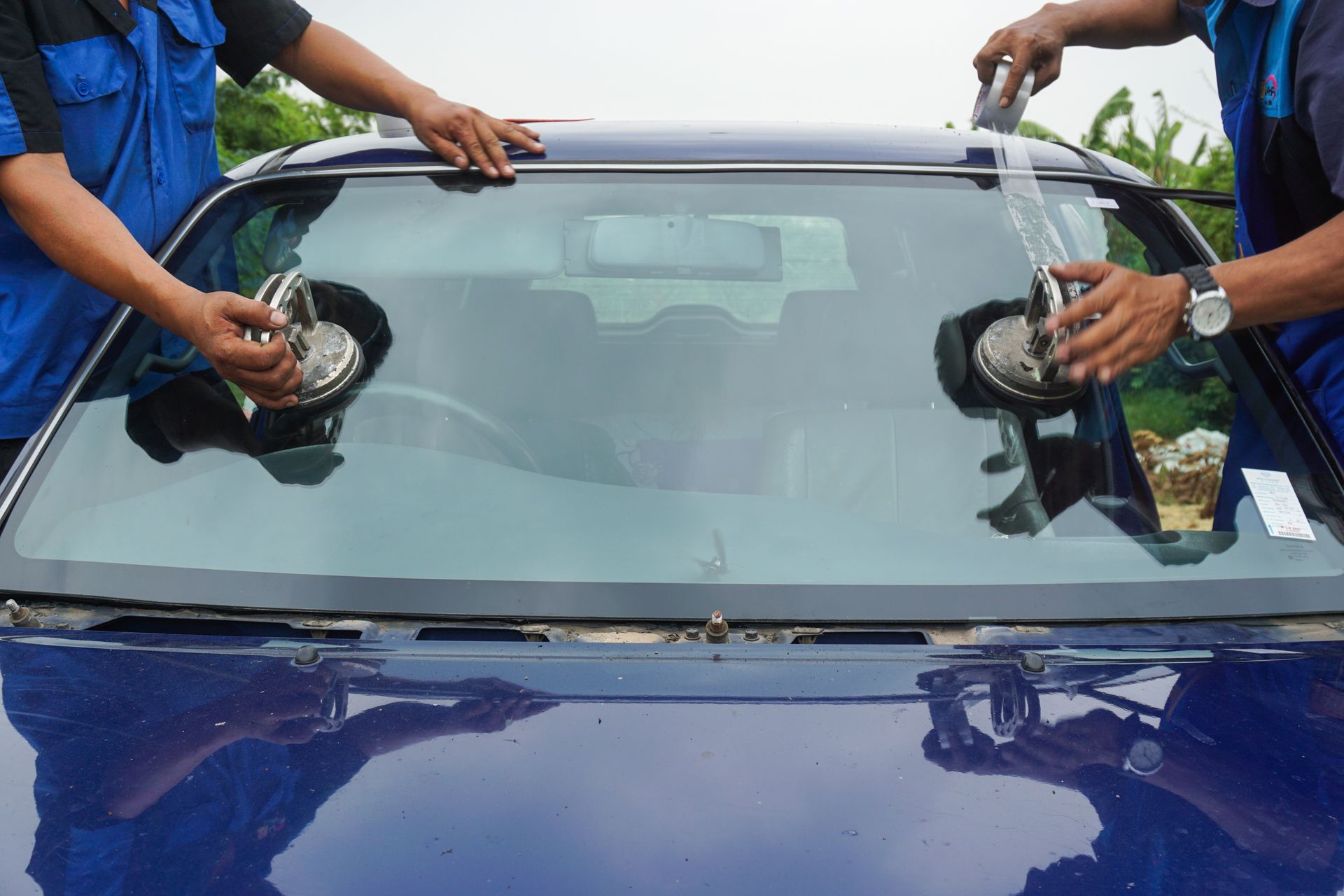
Most DIY kits use a simple idea. You clean the chip, stick a small bridge or suction device over it, and use a syringe or screw to push resin into the damaged area. The goal is to fill the tiny cracks so they do not spread, then cure the resin with sunlight or a small UV lamp. When it works, the chip should be sealed and less visible.
On paper, it sounds straightforward. In practice, success depends on how clean the chip is, how serious the damage is, the type of break, and how carefully the resin is applied and cured. That is a lot to ask from a one page instruction sheet and a few plastic pieces in a blister pack.
Hidden Risks of DIY Windshield Repairs
The real danger with DIY kits is not that they never work; it is that they can give a false sense of security or quietly make things worse. Common problems include:
- Trapping dirt, moisture, or air inside the chip, which makes the repair weak and cloudy
- Using the wrong amount of pressure, which can cause the chip to “run” into a long crack during the attempt
- Overfilling or smearing resin on the glass around the chip, then scratching the surface while trying to scrape it flat
- Sealing the top of the damage while deeper cracks remain unfilled, so the break keeps spreading anyway
Once the resin has cured inside and around the damage, cleaning the area properly for a professional repair gets much harder. In some cases, a chip that could have been repaired may now require a full windshield replacement because the view is distorted or the crack has spread too far.
Signs Your DIY Chip Repair Went Wrong
If you have already tried a kit, you can still get useful clues about how well it worked. Warning signs that the repair is not doing its job include a visible dark line or shadow still running through the chip, new cracks that seem to grow from the original damage, or a cloudy, hazy spot that catches your eye in sunlight or at night.
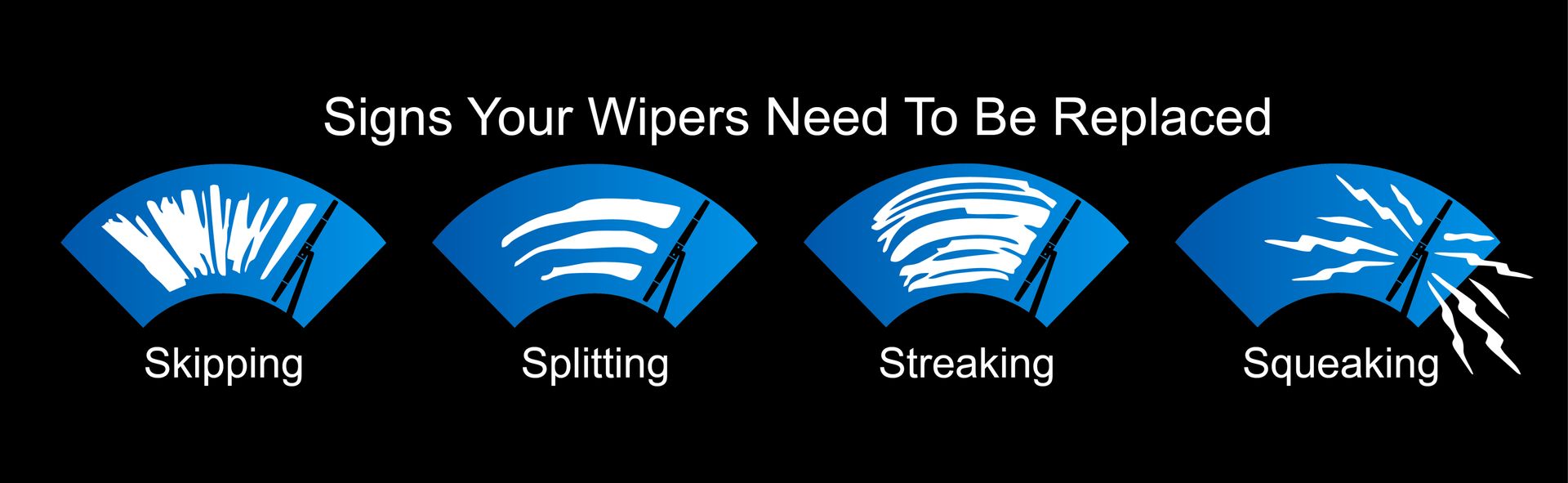
You might also notice wiper blades chattering over that area or leaving a streak. That can happen when cured resin sits higher than the surrounding glass. If you feel roughness when you gently run a fingertip over the spot, or you see distortion when you look through it, those are good reasons to have a glass technician take a look instead of just hoping it holds.
Why Professional Glass Technicians Do It Differently
A trained glass tech spends a lot of time deciding whether a chip is even a good candidate for repair before touching it with resin. Size, depth, location in the driver’s line of sight, distance from the edge, and type of break all matter. We use professional grade resins, controlled vacuum and pressure equipment, and proper UV curing so the repair bonds as deeply and cleanly as possible.
Just as important, a professional repair includes cleaning and prepping the damage correctly and finishing the surface so wipers glide over it instead of catching. If the chip is too large, too deep, or in a critical area, we will say so up front and recommend replacement rather than taking your money for a repair that is unlikely to hold.
When a Windshield Should Be Repaired vs Replaced
Not every chip means a new windshield. Many small stone impacts can be repaired safely if they are handled early and correctly. As a rough guide, repairs are more likely when the chip is small, away from the edges, and not directly in the driver’s primary line of sight. Long cracks, damage that reaches the edge of the glass, or multiple impacts clustered together often push things into replacement territory.
If you are unsure where your damage falls, it is better to ask for an honest inspection than to keep driving and watch the crack wander across the glass. A short visit now can save you from waking up to a windshield that has split overnight or failed an inspection because of visibility concerns.
Get Windshield Chip Repair in Yuma, AZ with Yuma Auto Glass & Window Tint
If you have a fresh chip, tried a DIY kit that did not turn out well, or noticed a small crack starting to spread, having it checked by a glass professional is the safest move. We can tell you whether repair is still possible, clean up previous attempts when it makes sense, and let you know when replacement is the better choice.
Schedule windshield chip repair in Yuma, AZ with
Yuma Auto Glass & Window Tint, and we will help keep your view clear and your windshield doing its job.