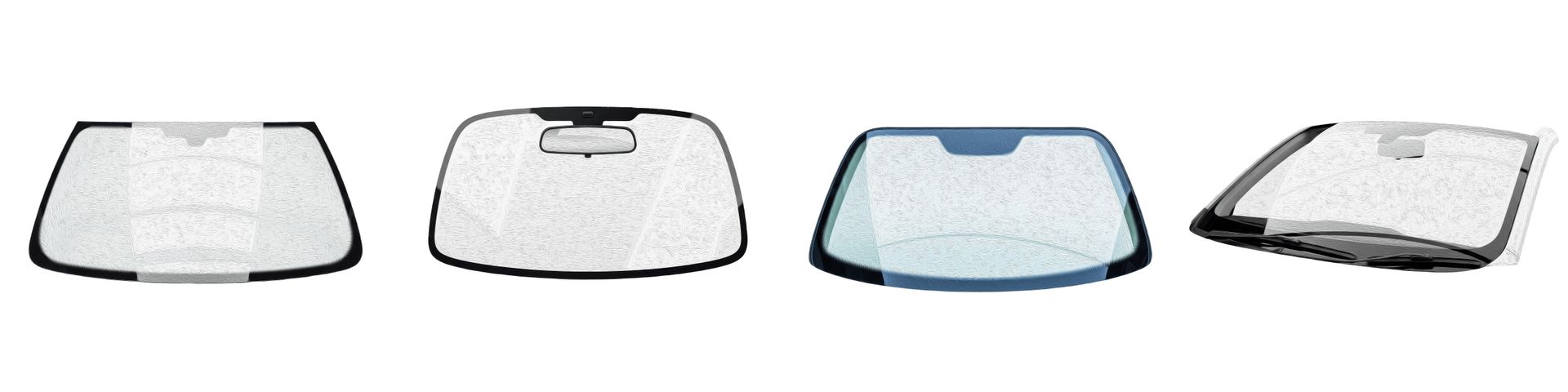
Selecting the right tint is a combination of science, personal preference, and local laws. Percentages, reflectivity, and film type all affect heat, glare, and night visibility. Here is a clear guide to help you choose a tint that feels cooler, looks clean, and stays compliant in Yuma.
What “Tint Percentage” Really Means
Tint percentage refers to VLT, or visible light transmission. A film labeled 35% allows 35% of visible light to pass through and blocks 65%. Lower VLT numbers look darker. Remember that glass is not perfectly clear; factory tint on rear windows or a green hue in the glass will change the final VLT once the film is applied.
Clarity vs. Privacy: How Dark Should You Go
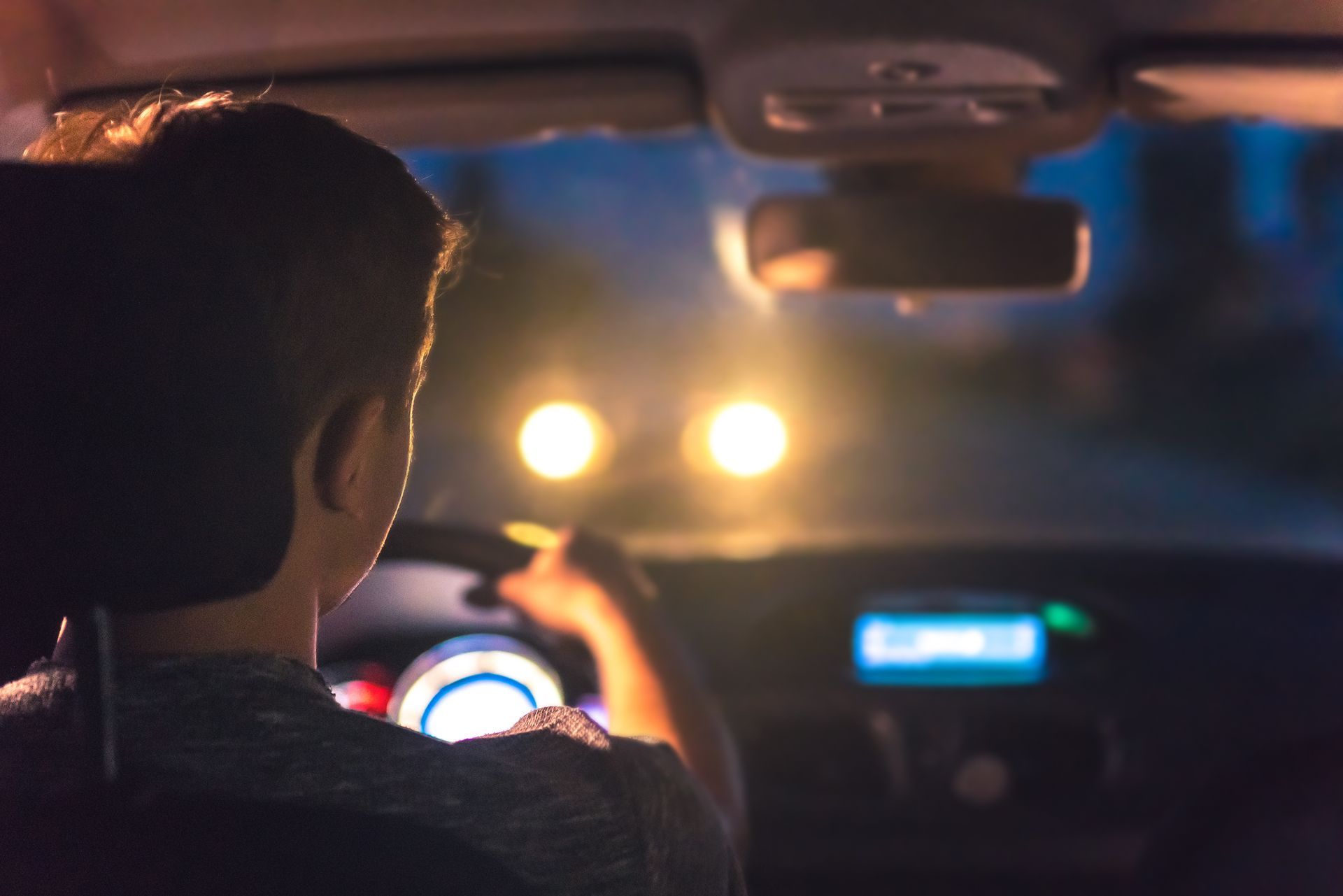
Darker is not always better. Very low VLT improves daytime privacy but can reduce night visibility, especially on unlit roads. If you drive desert highways after sunset, consider a slightly lighter film on the front side windows for better contrast at night. Privacy glass from the factory in SUVs affects only the rear; matching the look on the front doors requires careful VLT selection to avoid a visible mismatch and legal issues.
Heat Rejection: It’s Not Only About Darkness
Two films with the same VLT can feel very different. Heat rejection depends on total solar energy rejected (TSER) and infrared rejection. High-performance dyed films reduce glare but have modest heat control. Carbon films add better IR rejection without signal interference. Ceramic films offer the best heat reduction at lighter shades, which is valuable in Yuma’s sun.
We recommend ceramic on the windshield strip and front doors because it cuts heat without going too dark. We can show meter readings so you can feel the difference in real numbers.
Windshield, Front Doors, and Rear: Different Roles, Different Rules
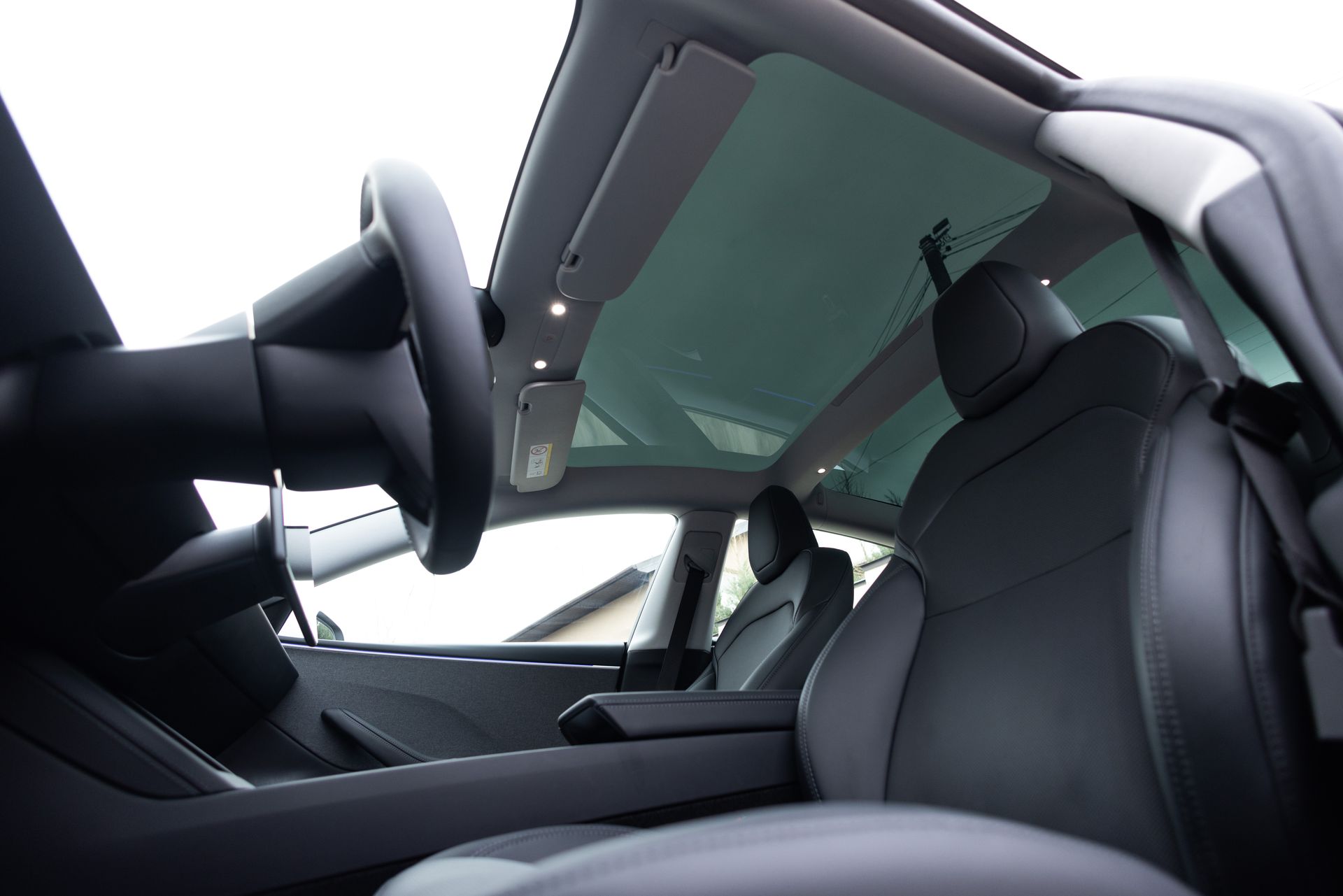
Most vehicles end up with a lighter, legal tint on the front side windows, a permitted sun strip at the top of the windshield, and a darker match on the rear doors and liftgate if allowed. The reason is simple: your night visibility and law compliance are judged most critically at the driver’s eye line. Rear glass can usually run darker for privacy and cargo cooling, but balances glare with visibility for backing and lane changes.
Know the Law Before You Choose
- Minimum VLT allowed on front side windows
- How far the windshield visor strip may extend
- Reflectivity limits (mirrored looks can be restricted)
- Medical exemptions and documentation
- The requirement for a film manufacturer’s label on the glass
Regulations can change. Before finalizing a shade, confirm the current Arizona rules for passenger vehicles and SUVs. We can measure your glass and film on a tint meter so you leave within the legal range. If you have an out-of-state plate or frequently cross state lines, choose a setup that stays legal on both sides of the border.
Daily Driving Factors: Night Roads, Cameras, and ADAS
Think about where and when you drive. Dim neighborhood lighting, frequent two-lane night trips, or heavy rain argue for slightly lighter front window tint. Backup cameras and blind-spot monitors see through glass too; darker rear glass can reduce camera contrast in low light.
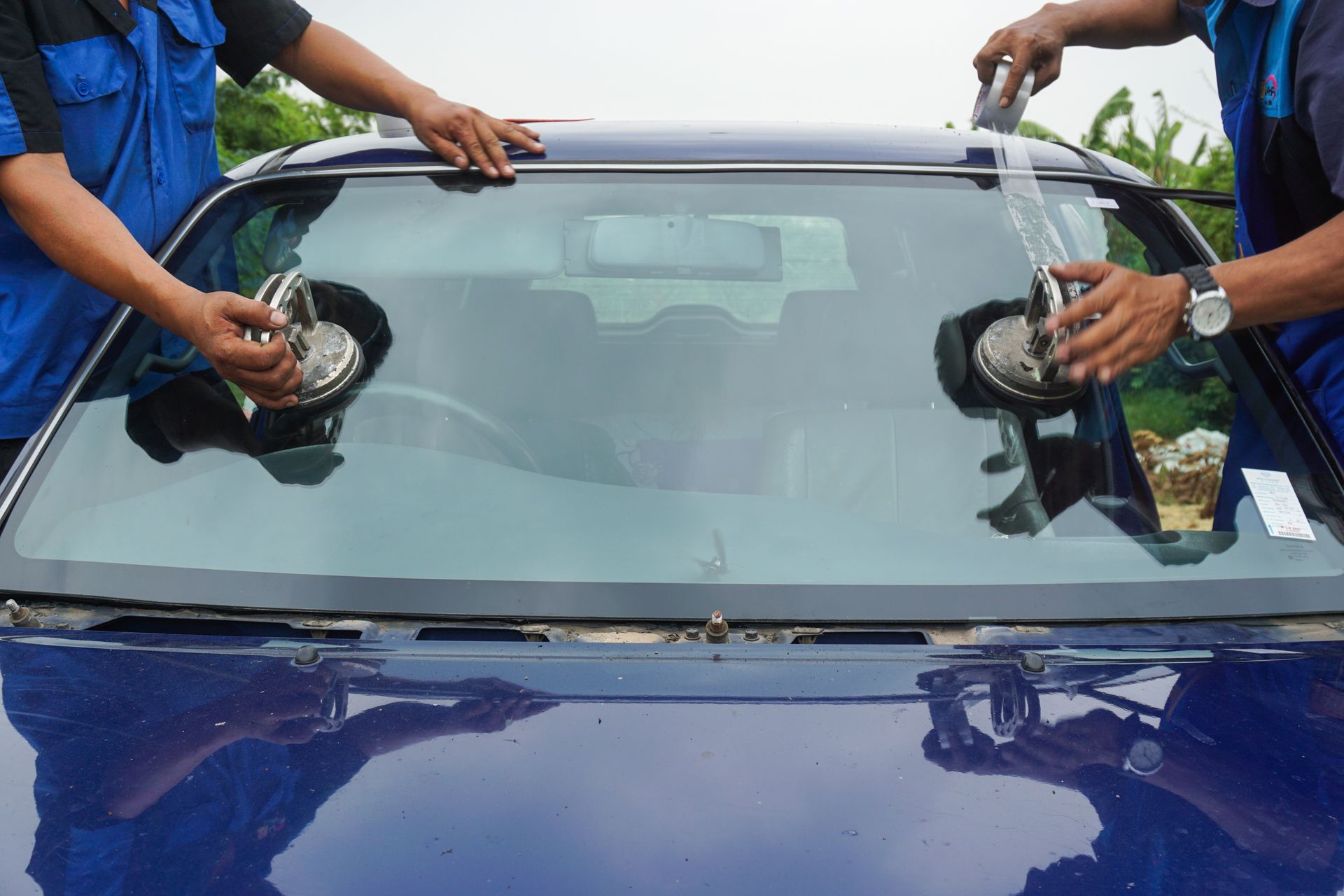
If your car uses windshield-mounted sensors for lane keep or auto high beams, apply films designed for windshields and keep the visor strip within the allowed height so sensors are not obstructed.
Film Quality, Warranty, and Care
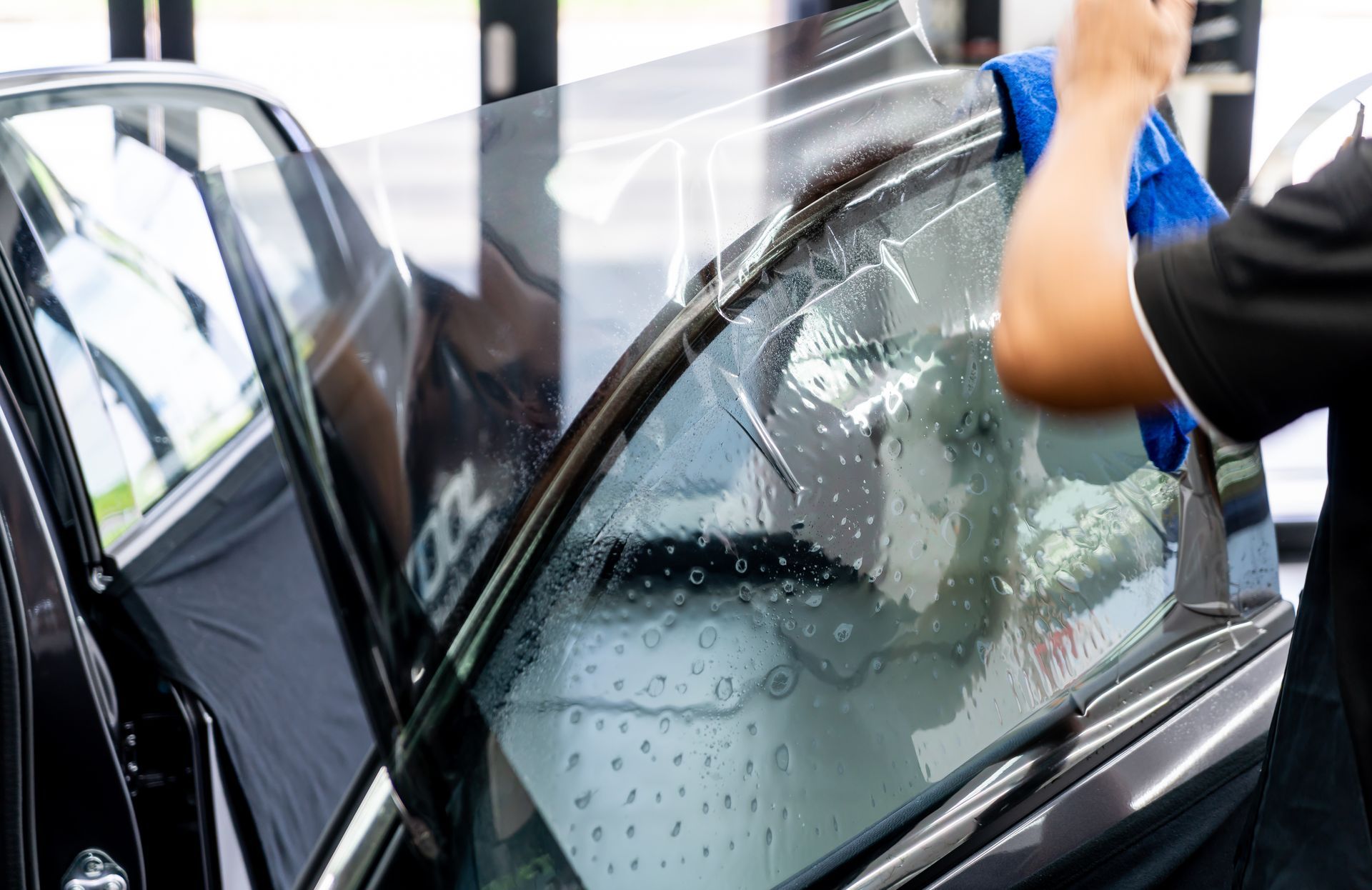
Quality films resist color fade, purple shift, and bubbling. Look for a written manufacturer warranty that covers peeling, cracking, and discoloration for as long as you own the vehicle. After installation, avoid rolling windows for a few days while the film cures. Clean with a soft microfiber and an ammonia-free glass cleaner.
If you plan to ceramic-coat the exterior, keep that product off the window edges to protect the film’s adhesive.
Get Legal, Comfortable Window Tint in Yuma with Yuma Auto Glass & Window Tint
If you want cooler temps without tickets, stop by our Yuma shop. We can meter your current glass, show heat and IR comparisons between film types, and recommend a legal setup that still blocks serious heat.
Schedule your tint appointment and drive away with cooler cabins, clear night vision, and a clean, uniform look.