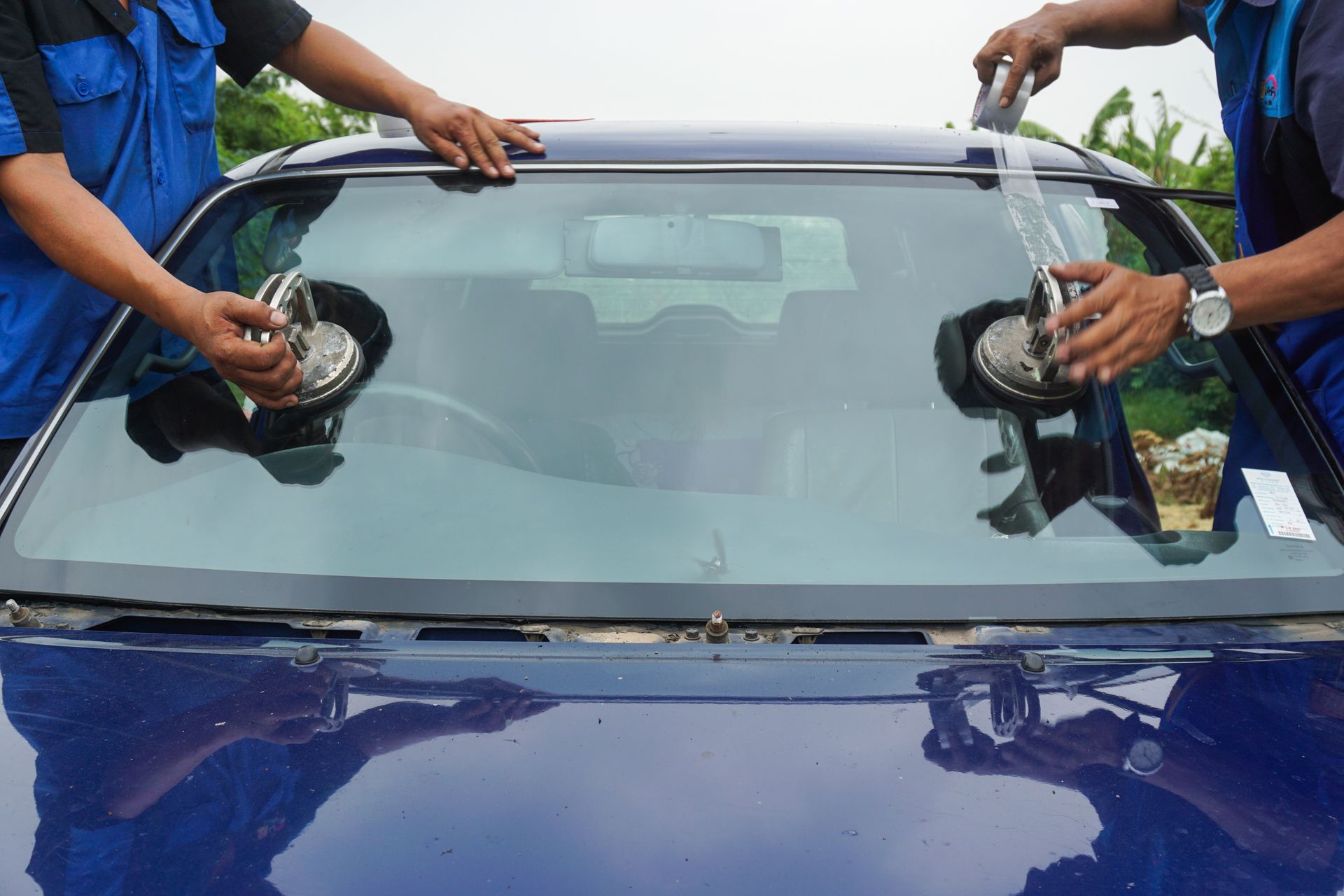
We have all been there. You are driving into a bright sunrise or a low afternoon sun, and suddenly, your windshield looks like someone smeared a glazed donut across it. The glare becomes blinding, and every tiny speck of dust or streak from a gas station squeegee turns into a glowing distraction. It is one of those small annoyances that actually becomes a major safety hazard when visibility drops to near zero.
At our shop, we believe that clear glass is just as important as good brakes. You cannot react to what you cannot see. While cleaning a window seems like the simplest task in the world, there is actually a bit of a science to getting that crystal-clear, high-definition finish. If you are tired of the haze and the streaks that never seem to go away, we want to share the professional secrets we use to keep our customers' views unobstructed.
The Problem With Traditional Glass Cleaners
Most people reach for the same blue spray they use on their bathroom mirrors at home. The issue is that many household glass cleaners contain ammonia. While ammonia is a great grease cutter, it is an absolute nightmare for a modern car.
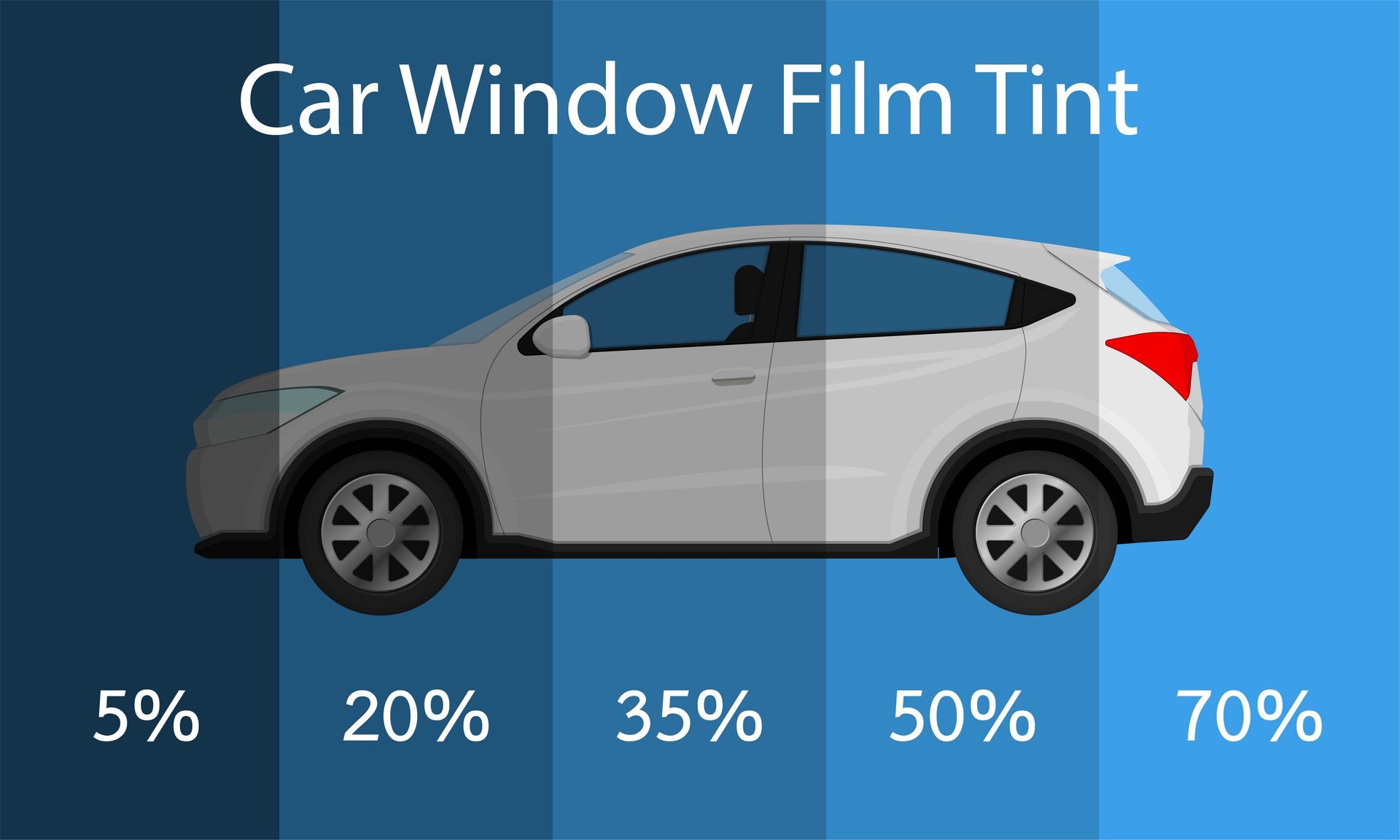
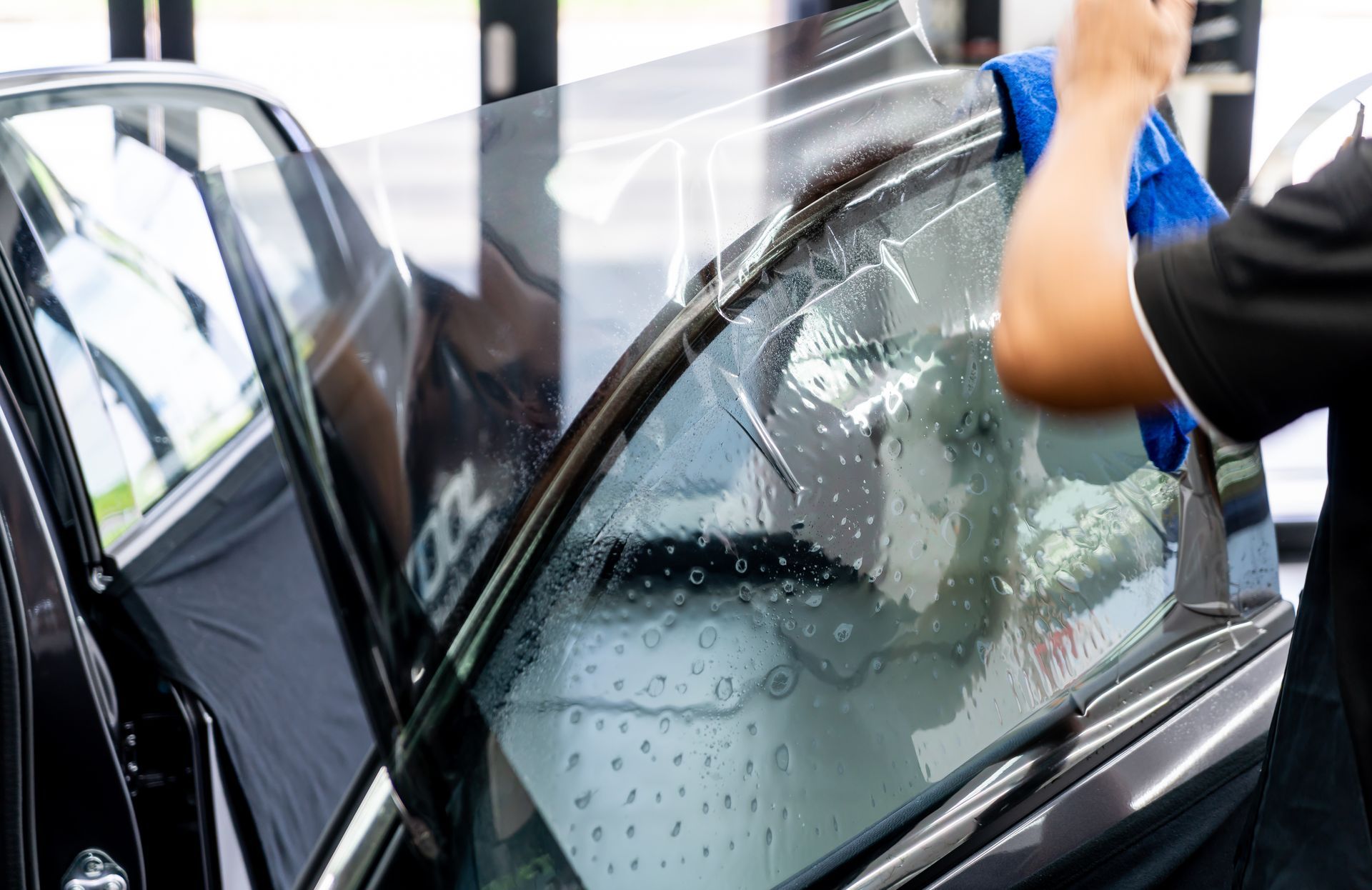
Ammonia can dry out and crack the rubber seals around your windshield over time. Even worse, if you have any aftermarket window tint, ammonia will eat through the protective coating and cause the film to bubble, peel, or turn a strange shade of purple. At the shop, we always recommend using a dedicated automotive glass cleaner that is labeled as ammonia-free. These formulas are designed to be safe for your trim and your tint while still cutting through the unique oily film that builds up on a car.
The Secret of the Microfiber Technique
If you are using paper towels or old newspapers to clean your glass, you are likely working harder than you need to. Paper towels often leave behind tiny bits of lint, and newspaper ink can actually smear onto the trim. The gold standard for professional glass cleaning is a high-quality microfiber towel.
Two Towel System: This is the most important tip we can give you. Always use two towels. Use the first one to apply the cleaner and scrub away the grime. While the glass is still slightly damp, use the second, completely dry towel to buff the surface. This second wipe is what removes the streaks and leaves that invisible finish.
Avoid Circular Motions: Most people naturally wipe in circles. Instead, try wiping vertically on the outside of the glass and horizontally on the inside. This way, if you do see a streak, you will know exactly which side of the glass it is on based on the direction of the line.
Cleaning the Top Edge: Don't forget to roll your windows down an inch or two. A thick line of grime usually builds up at the very top where the glass meets the weatherstripping, and if you don't clean it, that dirt will smear back down the window the next time you roll it up.
Dealing With the Internal Haze
Have you ever noticed a foggy film on the inside of your windshield that seems impossible to get rid of, even if you don't smoke? This is called outgassing. The plastics, vinyls, and adhesives in your dashboard release chemical vapors over time, especially when the car sits in the hot sun. These vapors settle on the cool glass and create an oily haze.
Because this film is oily, a simple wipe with water won't touch it. You need a cleaner that can break down those polymers. For a really deep clean on the inside, we sometimes use a magic eraser sponge dampened very slightly with water to gently scrub the film away before following up with our microfiber and glass cleaner. Just be extremely careful not to touch any plastic trim with the sponge, as it can be abrasive.
Maintaining Your Wipers and Seals
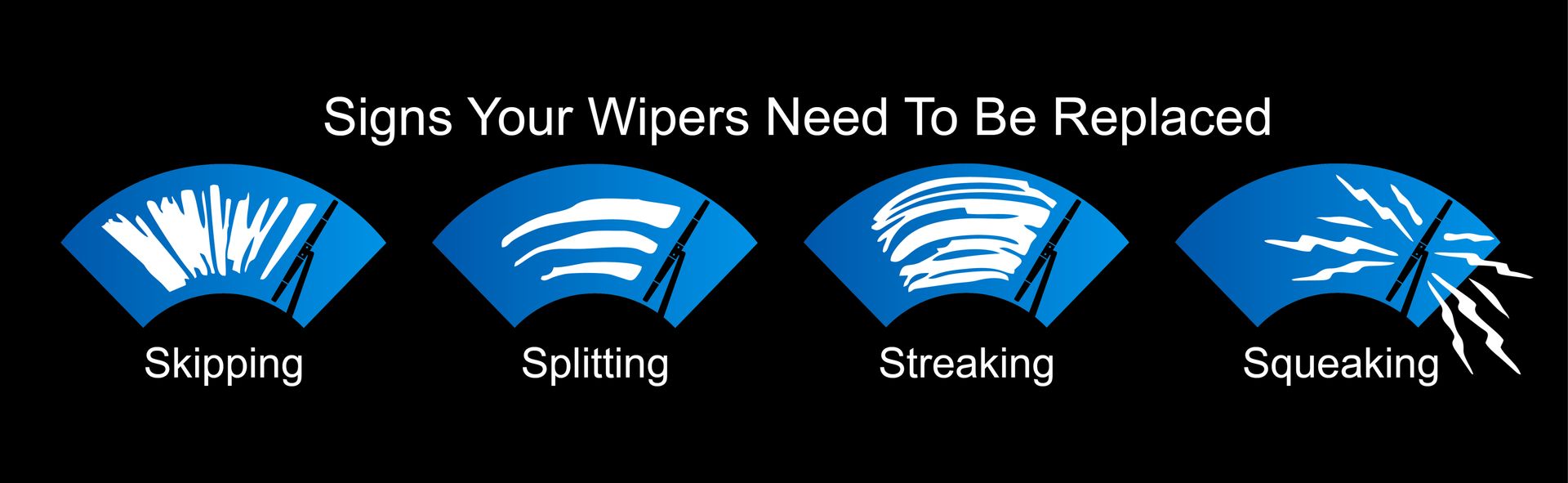
You can have the cleanest glass in the world, but if your wiper blades are shredded or full of road grit, the first rainstorm will ruin all your hard work. Every time you clean your windshield, take a damp cloth and wipe down the edge of your wiper blades. You will be amazed at the thick black gunk that comes off. Removing this grit prevents the wipers from scratching your glass and helps them move water more effectively.
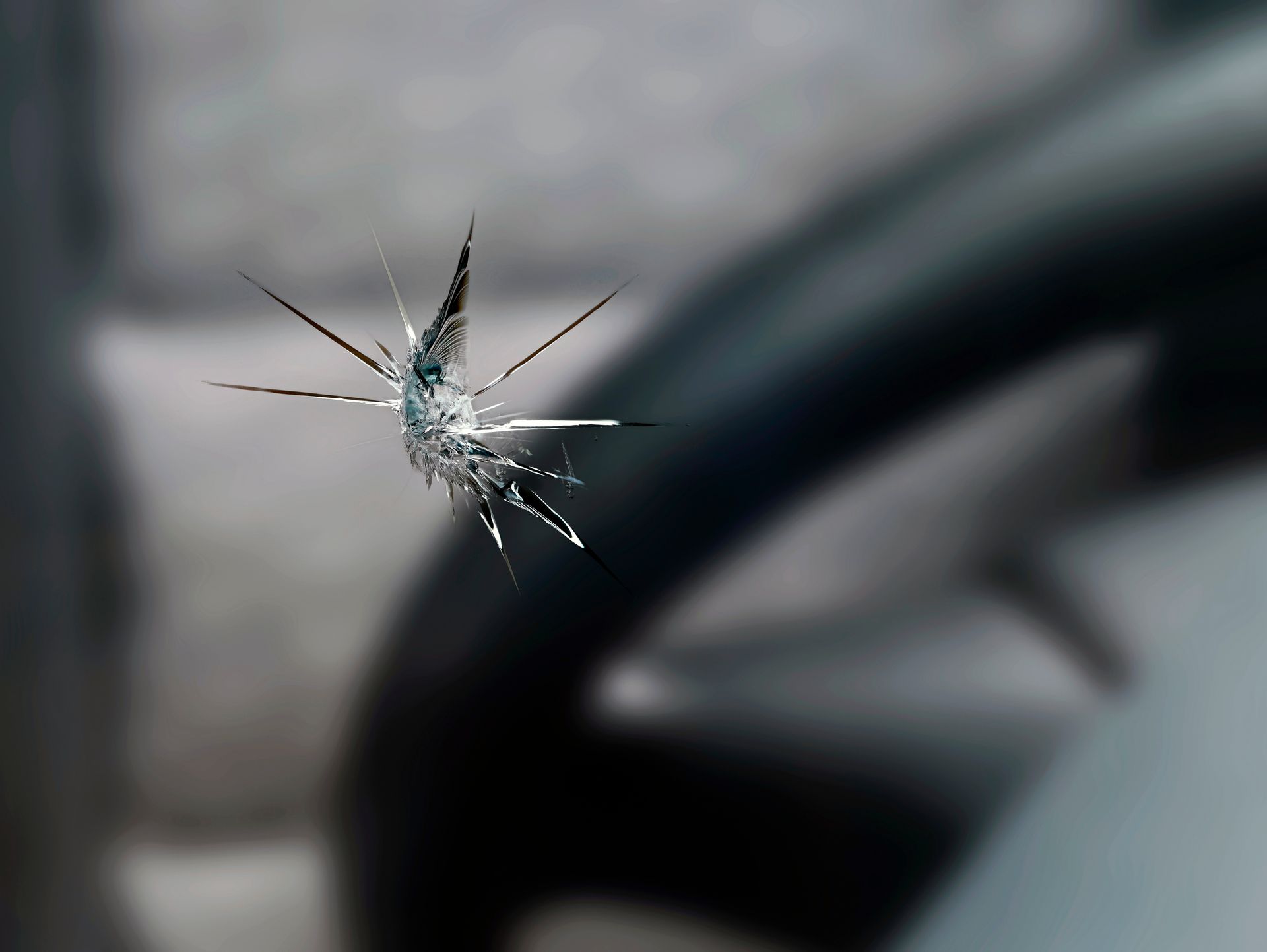
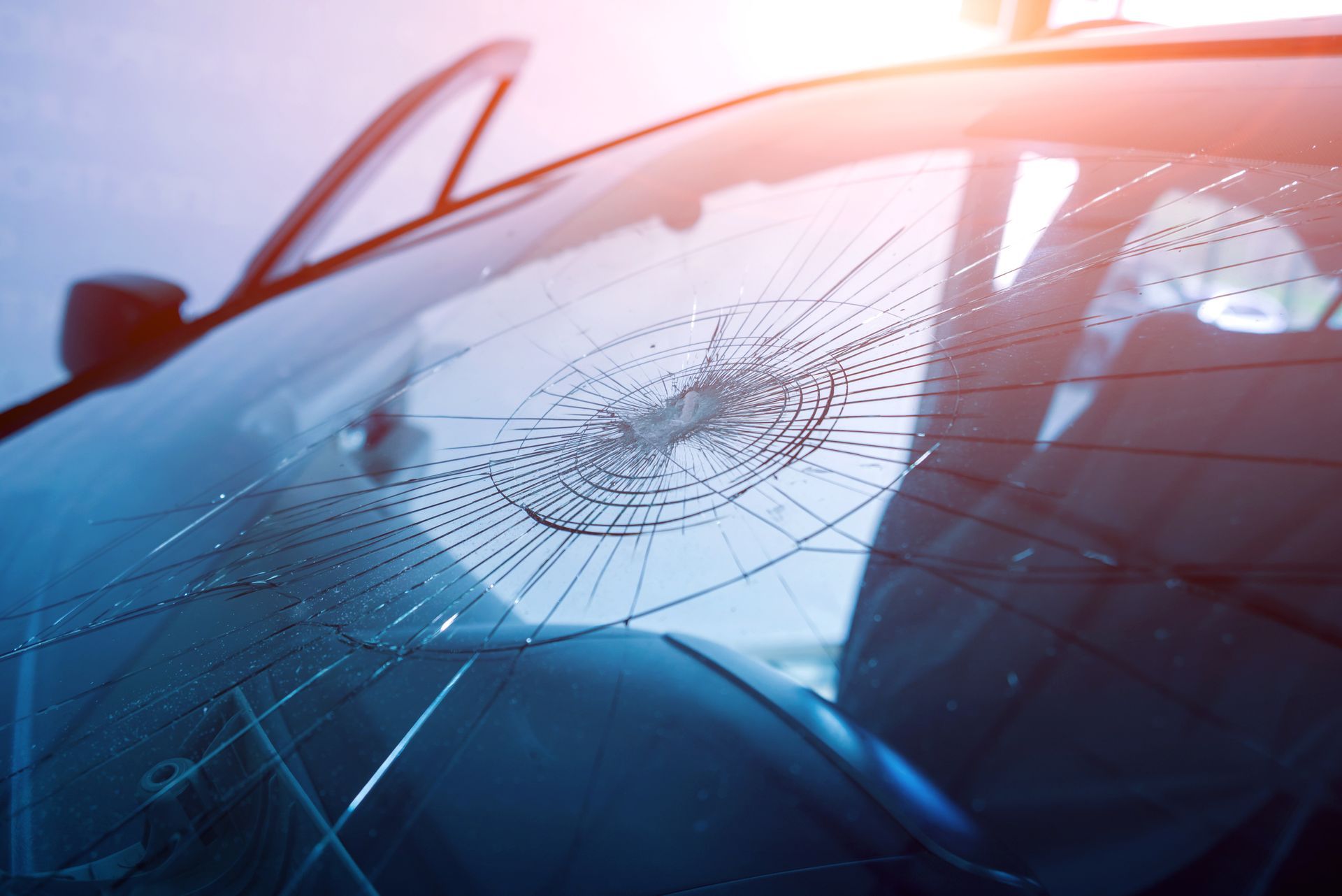
If you notice that your glass has tiny pits or deep scratches from years of road debris, no amount of cleaning will make it look perfect. These micro-pits catch the light and create that starburst effect at night. In those cases, the glass might actually need a professional polish or even a replacement to restore full clarity.
Let Us Help You See Clearly Again
We take pride in every detail of vehicle maintenance, and that includes your visibility. If you are struggling with stubborn streaks or if your wipers just aren't doing the job anymore, bring your car by Yuma Auto Glass & Window Tint in Yuma, AZ. We can install a fresh set of high-quality blades and give your glass the professional treatment it deserves.