Heat is one of the biggest long-term stresses on EV batteries. Your battery pack has thermal management, but that system still has to work harder when the cabin and interior surfaces are baking in direct sun. Quality window tinting reduces heat load entering the vehicle, which can lower how often the car has to spend energy cooling the cabin and managing temperatures.
Less heat coming in means less heat to manage.
How Heat Accelerates Battery Aging
Battery packs age faster when they spend a lot of time at higher temperatures. Thermal management helps, but it cannot change the fact that hot weather increases chemical activity inside the cells. Over years of exposure, that can contribute to capacity loss and reduced peak performance.
Heat also tends to stack with other stress factors, like frequent fast charging and high state-of-charge parking in the sun. A cooler cabin environment reduces the overall thermal burden the vehicle has to fight, especially when the car is parked outside for long stretches.
Tint Reduces Cabin Heat So The HVAC Works Less
The easiest way to understand the range benefit is energy use. If the cabin starts cooler, the air conditioning does not have to work as hard to reach your target temperature. That lowers the amount of battery energy used for climate control, which translates into more usable range for driving.
This effect is most noticeable in hot climates where the A/C runs constantly. It also matters on short trips, because the A/C spike at the beginning of a drive can be a big percentage of total energy use. Reducing that spike makes everyday efficiency more consistent.
The Difference Between Cheap Film And High-Quality Film
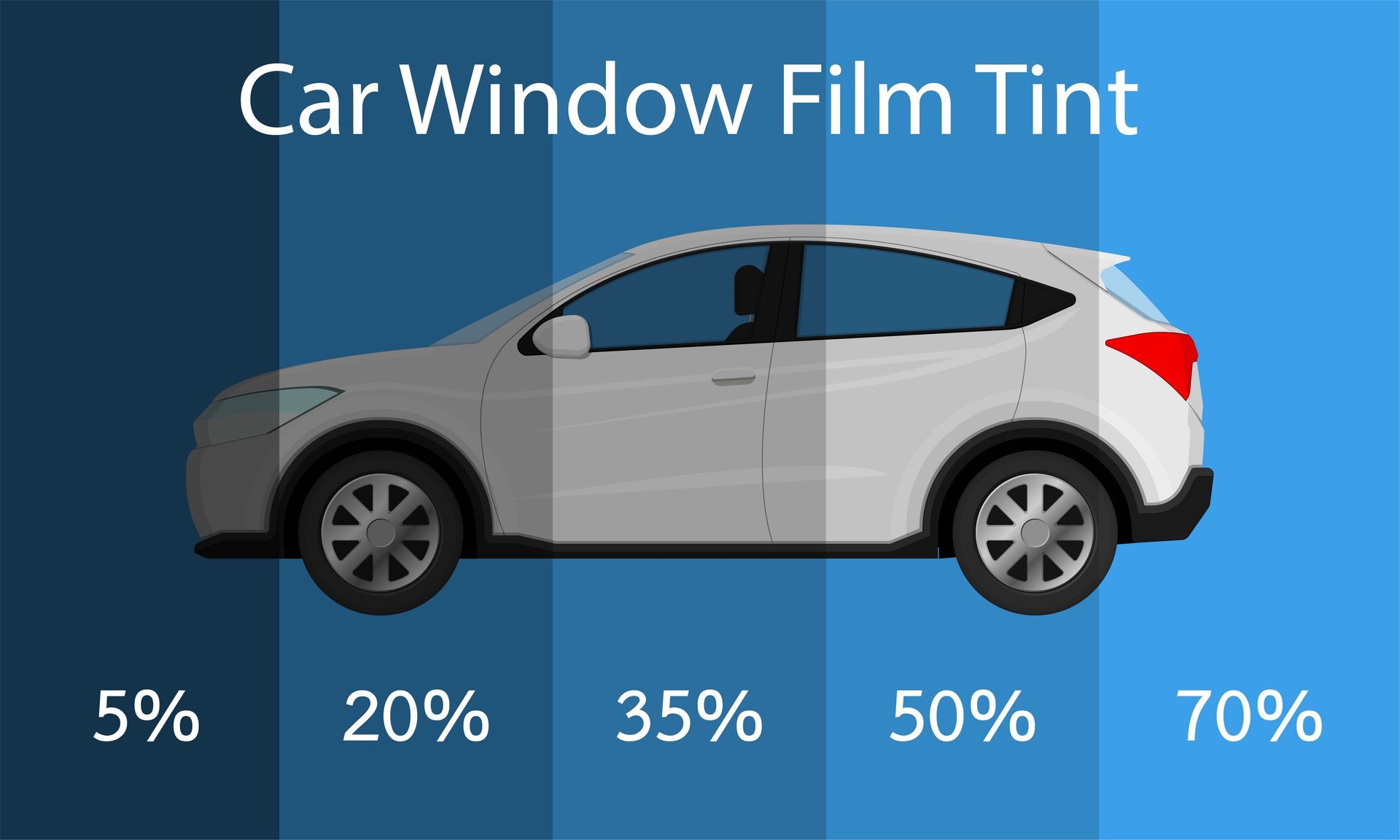
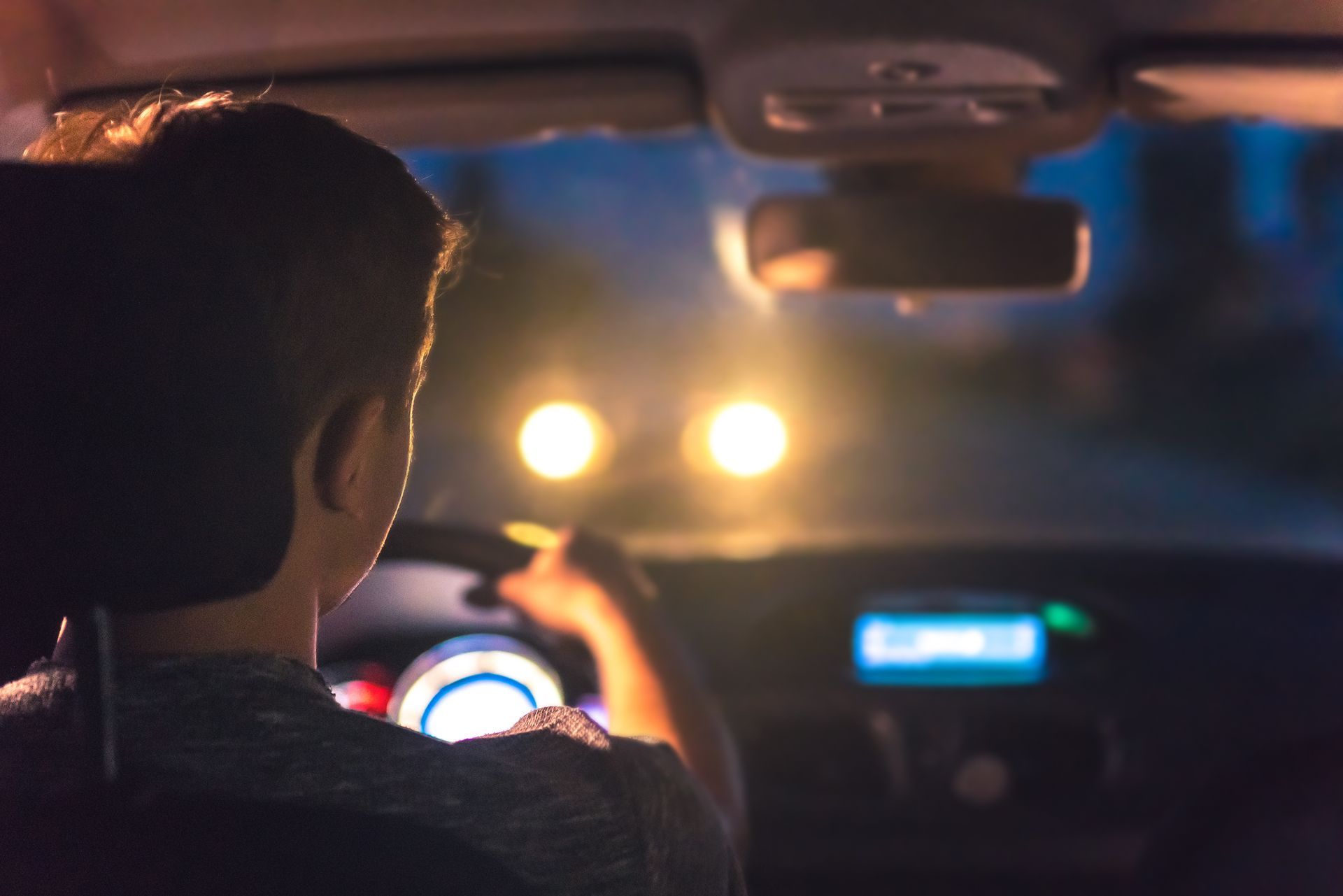
Not all tint films handle heat the same way. The important measure is how well the film reduces heat transfer, not just how dark it looks. High-quality films can reduce infrared heat significantly while maintaining clear visibility. That means you can keep the cabin cooler without sacrificing night driving clarity.
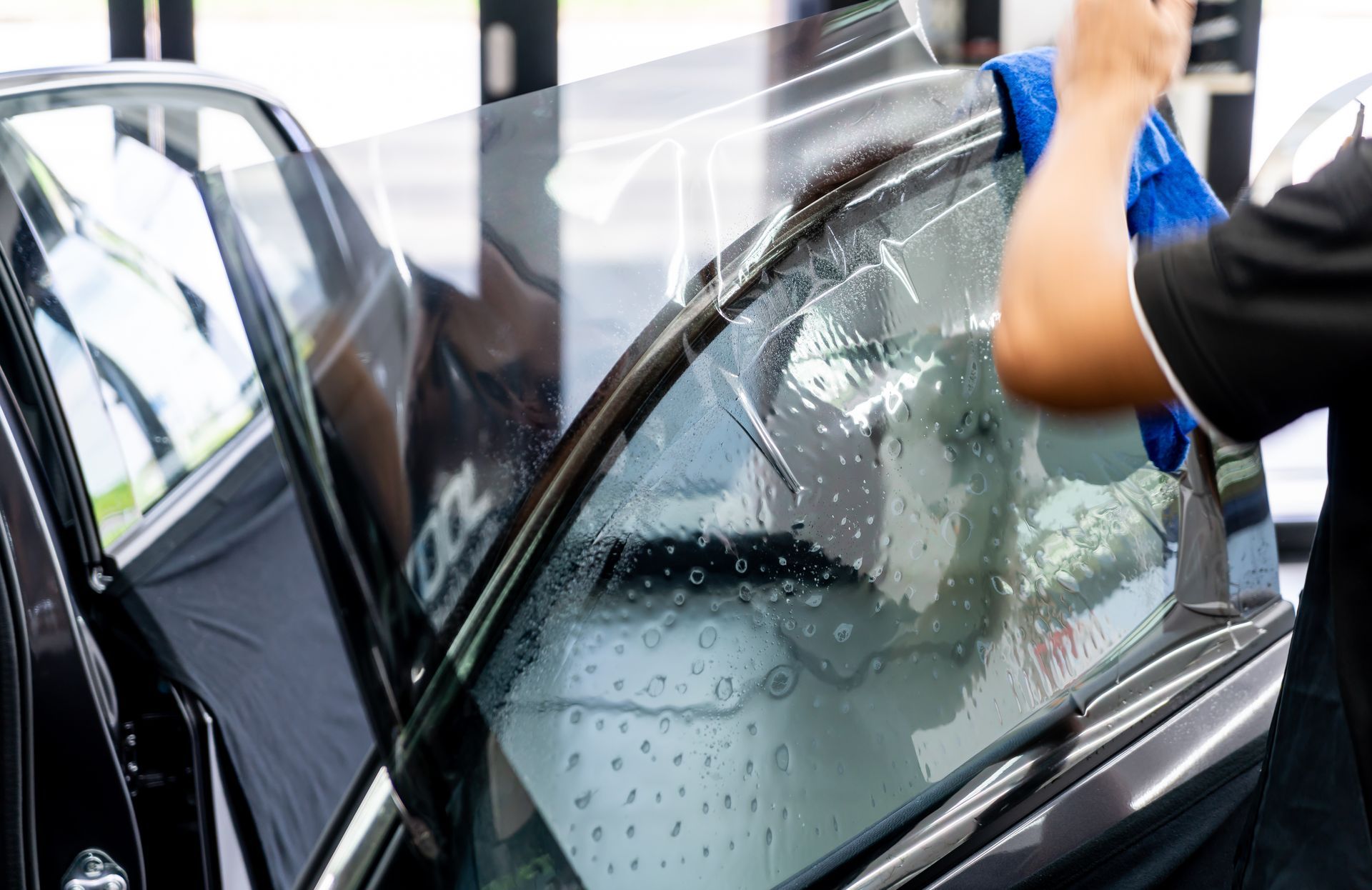
Low-quality film can fade, bubble, or distort over time. It can also create glare and reduce visibility, which defeats the purpose of making the car more comfortable and safe. A professional installation also matters because poor edges, contamination, and bad adhesion shorten film life and make the result look sloppy.
How Tint Helps With EV Range In Real Driving
Range loss in hot weather is often driven by climate control demand. When the interior stays cooler, the A/C cycles less aggressively, and the battery is not asked to feed heavy cooling loads as often. That is a direct efficiency benefit, not a theoretical one, especially for drivers who park outdoors at work or run errands all day.
Tint also reduces the heat soak that happens when a car sits in the sun. The steering wheel, dashboard, seats, and interior panels can reach very high temperatures, and the HVAC system has to pull that heat back down when you start driving. Lowering the interior surface temperature shortens the recovery time.
Battery Thermal Management Benefits Are Indirect But Real
Window tinting does not cool the battery pack directly, but it reduces the overall heat inside the vehicle and reduces how hard the HVAC system has to work. In many EVs, cabin cooling and battery cooling are linked through shared components or shared thermal strategies. When the vehicle has to fight less heat in one area, the whole system can run more efficiently.
This is also where regular maintenance fits into the picture. Clean cabin filters, a properly functioning A/C system, and correct refrigerant performance keep the vehicle’s thermal strategy efficient. Tint supports that by cutting the heat load the system has to overcome.
What To Consider Before You Tint An EV
Start with local tint laws and choose a film that fits your driving needs. In very hot regions, prioritizing heat rejection is the best return, and many drivers focus on the windshield strip and side glass for comfort. Visibility matters too, especially at night, so the film choice should be based on performance and clarity, not just appearance.
Here are the practical items to think through before choosing film:
- Heat rejection performance, not just shade level
- Optical clarity for night driving and glare reduction
- UV protection to preserve interior materials
- Professional installation quality for clean edges and long film life
Done correctly, tint becomes one of the comfort upgrades you feel every single day, especially in summer.
Get EV Window Tinting In Yuma, AZ With Yuma Auto Glass & Window Tint
If you want to reduce cabin heat, ease the load on your EV’s climate control, and improve everyday efficiency, high-quality tinting is one of the smartest upgrades you can make in a hot climate. Schedule service with Yuma Auto Glass & Window Tint in Yuma, AZ, and we’ll help you choose a film that cuts heat, stays clear, and looks clean.
You’ll notice the cooler cabin the first time the car sits in the sun.