A windshield can look perfectly secure and still allow a thin stream of water into the cabin during rain or a car wash. Sometimes the first clue is a damp headliner or wet carpet. Other times, drivers hear wind noise near the glass long before they ever see water.
Finding the source can be surprisingly tricky because water rarely travels in a straight line once it enters the body. It can follow trim, pillars, wiring, or sheet metal before appearing somewhere far from the original opening. When a leak seems to come from the edge of the windshield, the condition of the adhesive bond and the surfaces underneath it deserve careful attention.
Windshield Urethane Depends on Proper Surface Preparation
Modern windshields are commonly bonded to the vehicle with polyurethane adhesive. That adhesive is expected to create a durable bond between the glass and the prepared windshield opening, often called the pinchweld. Manufacturers of automotive glass bonding systems specify careful preparation of these surfaces before applying new urethane.
Dirt, oil, moisture, old incompatible material, or other contamination in the bonding area can interfere with adhesion. Even if the windshield initially appears sealed, a weak section of the bond can eventually become a path for air or water. Sika notes that bonding surfaces must be clean, dry, sound, and free of contamination.
Corrosion Around the Windshield Opening Can Create Trouble
Rust around the pinchweld is another concern. The metal beneath the windshield may become exposed when old glass is removed, particularly if the painted surface is scratched during previous replacement work.
If corrosion develops underneath the adhesive, the urethane may be bonded to a surface that is no longer structurally sound. Rust can continue spreading below the bond and eventually create openings where water can enter. Professional installation procedures include specific preparation and corrosion-treatment steps for damaged or exposed metal rather than simply covering it with fresh adhesive.
A Previous Windshield Installation May Have Left a Weak Spot
A replacement windshield has to sit correctly in the opening with a continuous adhesive bead around the required bonding area. If the urethane bead is too small, interrupted, improperly shaped, or disturbed while the glass is being positioned, one section may not seal as intended.
The problem may not show up immediately. Heat, vibration, body movement, and repeated weather exposure can gradually make an imperfect area more noticeable. Proper replacement procedures call for controlled pinchweld preparation, urethane application, and windshield placement because each step affects the final bond.
The Adhesive Needs Time to Cure Correctly
Windshield urethane does not reach its intended condition the instant the glass is installed. The adhesive manufacturer specifies a safe drive-away time based on the particular product and environmental conditions.
Fresh urethane also needs protection from conditions that can interfere with curing or disturb its surface. Sika notes that contamination can negatively influence the process and provides specific guidance concerning water pressure and freshly applied urethane in certain applications.
That is why following the installation shop's instructions after windshield replacement is important. The correct waiting period depends on the adhesive system, not a single universal time for every windshield installation.
A Windshield Can Leak Even When the Glass Is Not Cracked
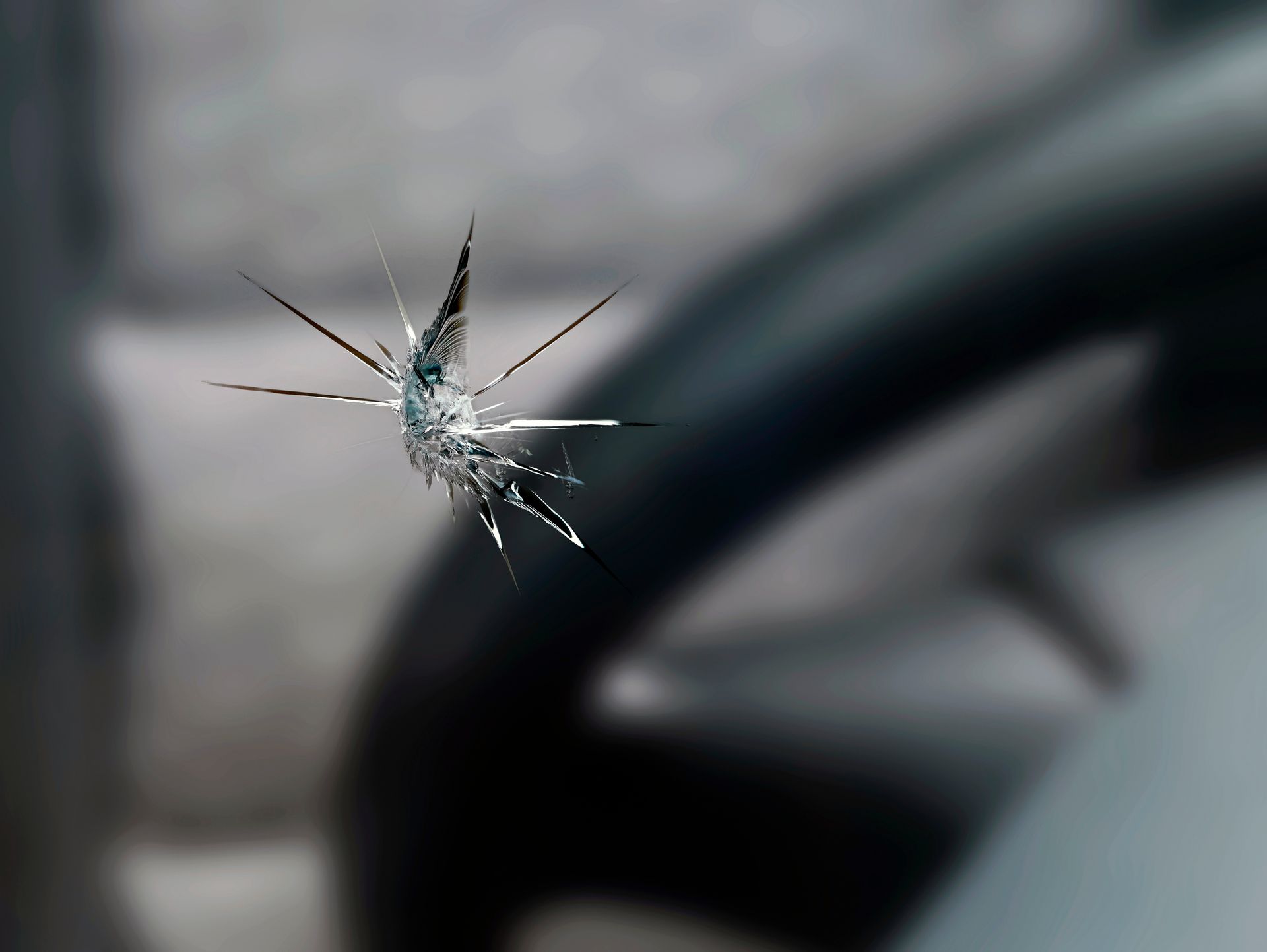
Drivers often associate windshield problems with chips and cracks, but the glass itself can remain completely intact while the sealing area develops a problem.
A leak around the perimeter may come from:
- A gap in the urethane bead
- Poor adhesion to the glass or body
- Contamination in the bonding area
- Corrosion around the pinchweld
- Damage from an earlier windshield replacement
- Incorrect preparation of exposed metal
- An improperly positioned windshield
These are different from a crack through the glass. Identifying the cause requires checking the perimeter rather than assuming that adding sealant from the outside will provide a lasting repair.
Not Every Water Leak Near the Windshield Comes From the Adhesive
Water appearing around the dashboard, A-pillar, or headliner can make the windshield seem responsible, even when the leak starts elsewhere.
Sunroof drains, roof seams, body seals, cowl areas, door seals, and other openings can direct water toward the same interior locations. During an inspection, technicians need to trace the water back toward its entry point rather than simply sealing the first wet area they see.
Controlled water testing can be useful because it lets you test one section of the vehicle at a time. This can separate a windshield bonding leak from water entering through another body opening.
Why Adding Sealant Over the Outside Is Not Always the Best Repair
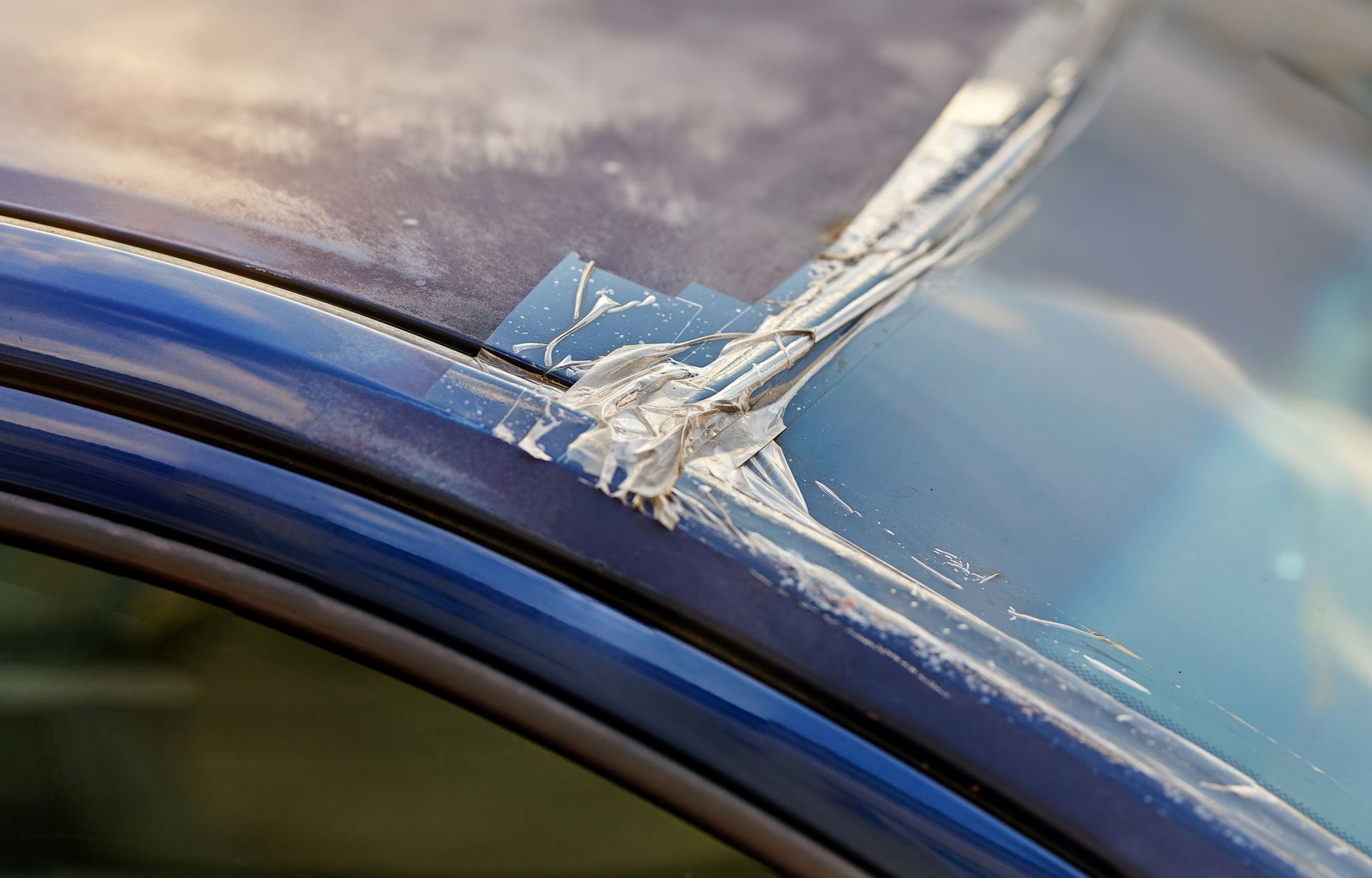
Applying a bead of generic sealant around the outside edge may seem like an easy way to stop water. It can sometimes mask the symptom temporarily, but it does not correct poor bonding, corrosion, contamination, or a gap underneath the windshield.
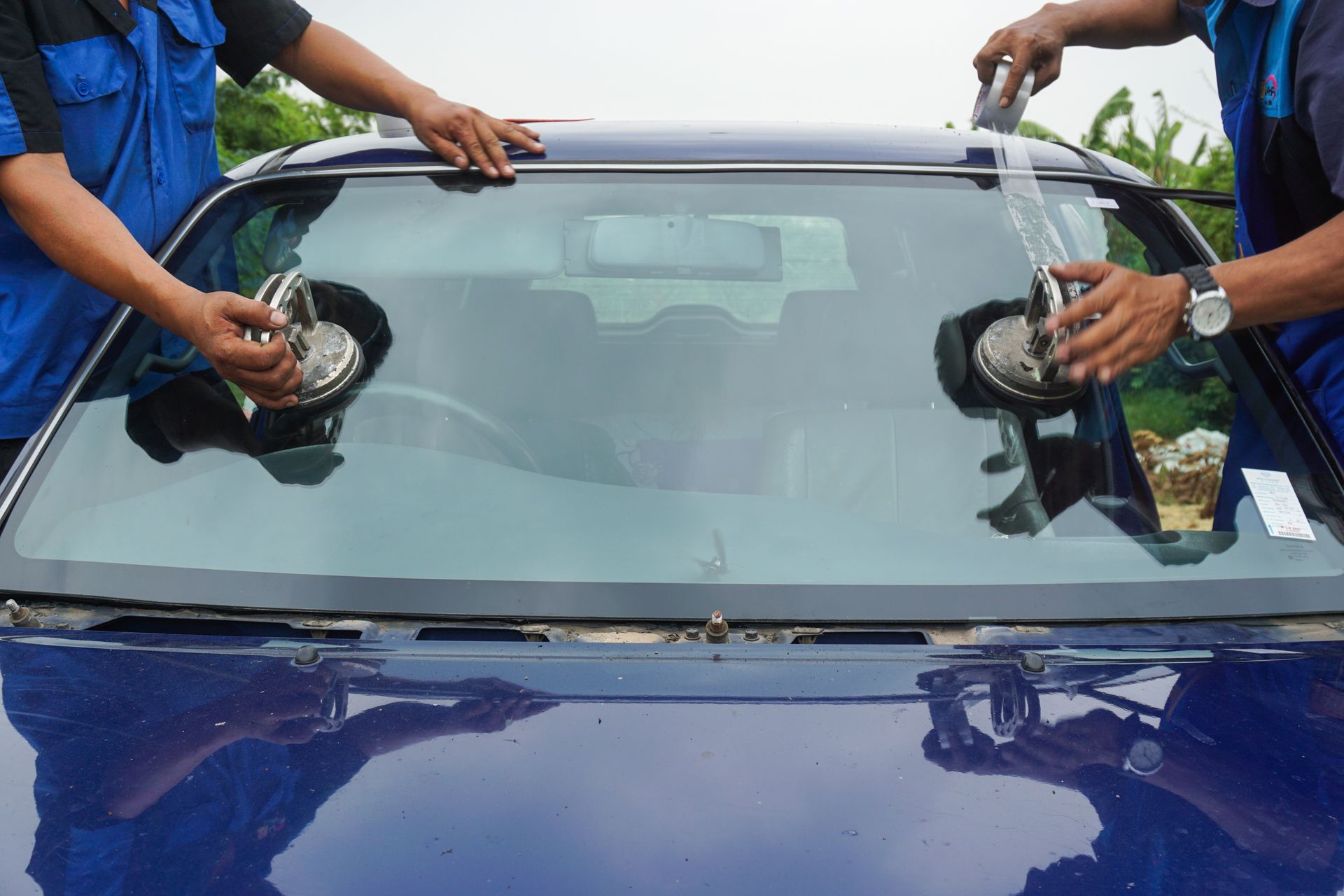
If the original urethane bond has failed, the appropriate repair may require removing the windshield so the glass and pinchweld can be inspected and prepared correctly. Any corrosion or surface damage can then be addressed before the windshield is bonded again with the proper automotive glass adhesive.
Water Leaks Can Cause Problems Beyond Wet Carpet
A small windshield leak can allow moisture to reach areas that were designed to stay dry. Depending on where the water travels, it may reach interior trim, electrical connectors, wiring, dashboard components, or insulation.
Repeated moisture can also create odors, staining, and corrosion. In a hot climate such as Yuma, moisture trapped under carpeting or trim can become unpleasant quickly. Correcting the source early is much better than repeatedly drying the interior after each rain or wash.
Pay Attention After a Recent Windshield Replacement
If water or wind noise begins shortly after a windshield has been replaced, make a note of exactly where and when you notice it. Whether the leak occurs during heavy rain, a car wash, or only when water hits one side of the vehicle can help narrow the area that needs testing.
Regular maintenance will not prevent every glass-bonding issue, but paying attention to changes after replacement work can help catch a sealing concern before water reaches more of the interior.
Get Windshield Leak Inspection in Yuma, AZ, With Yuma Auto Glass & Window Tint
Yuma Auto Glass & Window Tint in Yuma, AZ, can inspect windshield sealing concerns and help determine where water is entering around the glass.
If you have noticed damp interior trim, water near the dashboard, wind noise around the windshield, or leakage after a previous glass replacement,
contact us to schedule windshield service.