When drivers hear about solar-coated windshields, they assume it is just a fancier piece of glass with a higher price tag. The truth is a little more useful than that. This type of windshield is designed to reduce the amount of solar heat that enters the cabin, which can make a real difference in places where the sun stays intense for long stretches.
That does not mean every driver needs one, though it can be a smart upgrade in the right conditions.
What A Solar-Coated Windshield Actually Is
A solar-coated windshield is a windshield with a special treatment that helps reflect or filter part of the sun’s infrared energy. In simple terms, it is built to reduce heat transfer into the cabin while still providing clear visibility. Some use a very thin metallic coating, while others rely on advanced laminated glass technology to do the same job.
From the outside, it may not look much different from a standard windshield. The change is in how the glass handles sunlight, especially the heat you feel building up through the front of the vehicle. That is why drivers often notice the benefit most on hot afternoons, long commutes, and parking lot situations where the dashboard and steering wheel would normally get extremely hot.
How It Changes Cabin Comfort
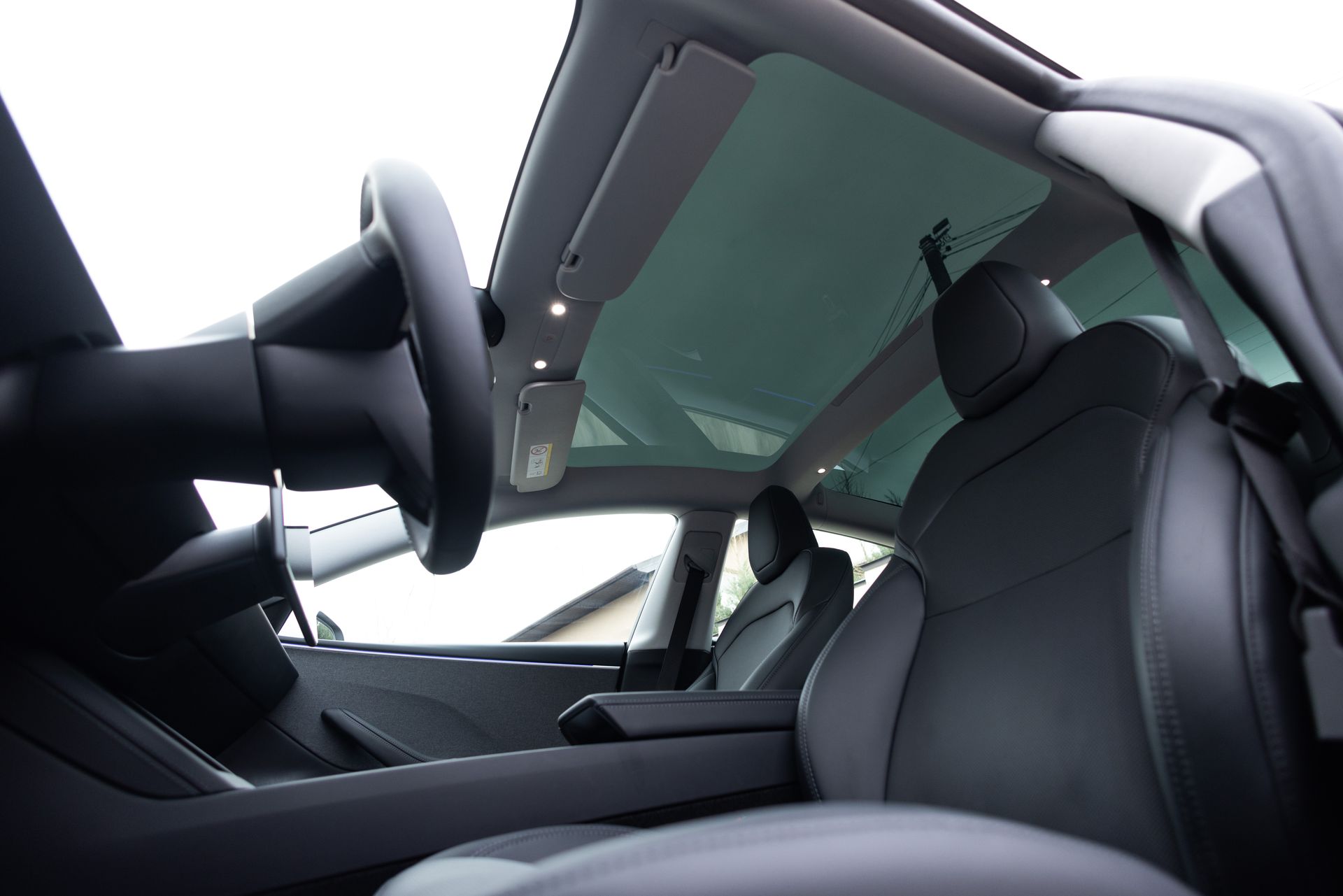
The biggest benefit is cabin temperature control. A solar-coated windshield reduces the amount of heat that comes through the glass, helping the interior stay more comfortable when the vehicle is parked in direct sunlight. Your A/C still has work to do, though it does not have to fight quite as hard to cool the cabin back down.
That difference is especially noticeable in hot climates. The seats, dash, and steering wheel may still get warm, but they usually will not feel as brutally overheated as they would behind standard glass. For drivers who spend a lot of time parked outside, this can make daily driving noticeably more comfortable.
What It Helps Protect Inside The Vehicle
Heat does more than make the cabin uncomfortable. Over time, strong sun exposure dries and stresses interior materials, especially dashboards, trim, leather, and plastic surfaces. A solar-coated windshield helps reduce some of that heat load, which can slow down how quickly the interior shows sun-related wear.
That makes the benefit bigger than comfort alone. A cooler front cabin puts less stress on surfaces that sit in direct light every day. It is not a substitute for good care, but it can be one useful layer of protection alongside shade, sunshades, and regular maintenance of the interior.
What It Will Not Do
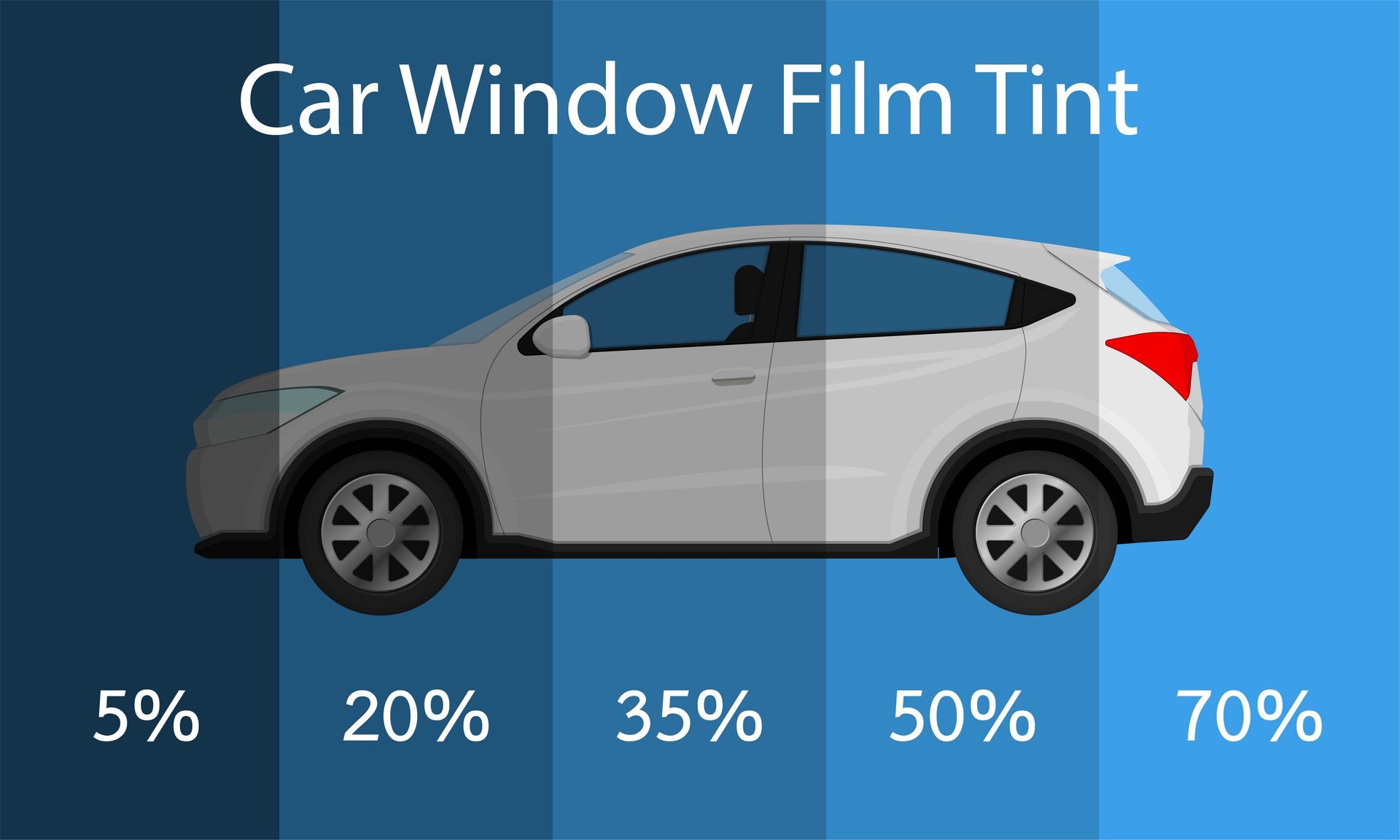
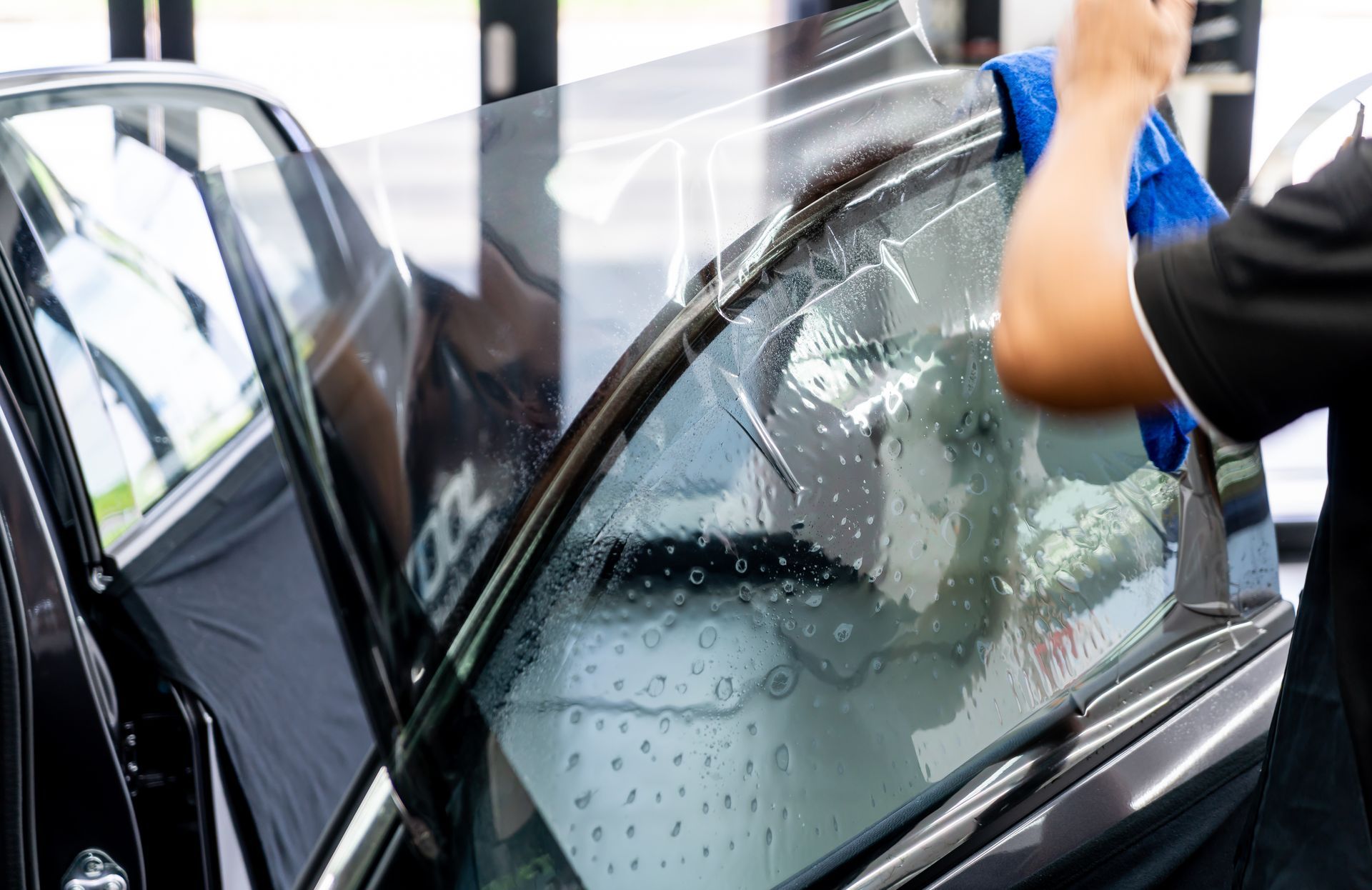
This kind of windshield has real value, though it is not magic. It will not keep the vehicle cold after hours in full summer sun, and it will not replace window tint, a good A/C system, or smart parking habits. If the rest of the glass is letting heat pour in from all sides, the windshield can only do so much on its own.
It is important to keep expectations realistic. The gain is usually felt as reduced heat buildup, faster comfort after startup, and less harsh sun load through the front glass. Drivers expecting an ice-cold cabin in August without using the air conditioning will be disappointed.
Who Will Get The Most Value From It
Some drivers benefit more from solar-coated glass than others.
- Drivers in hot, sunny climates like Arizona, where the vehicle sits outside every day
- People with long commutes during the brightest part of the day
- Owners are trying to protect leather, vinyl, and dashboard materials
- Drivers replacing a damaged windshield anyway and weighing upgrade options
For those drivers, the extra cost often makes more sense because the benefit shows up regularly. If the car spends most of its time in a garage or mild weather, the value is still there, but it may feel less dramatic day to day.
When It Is Worth Paying Extra
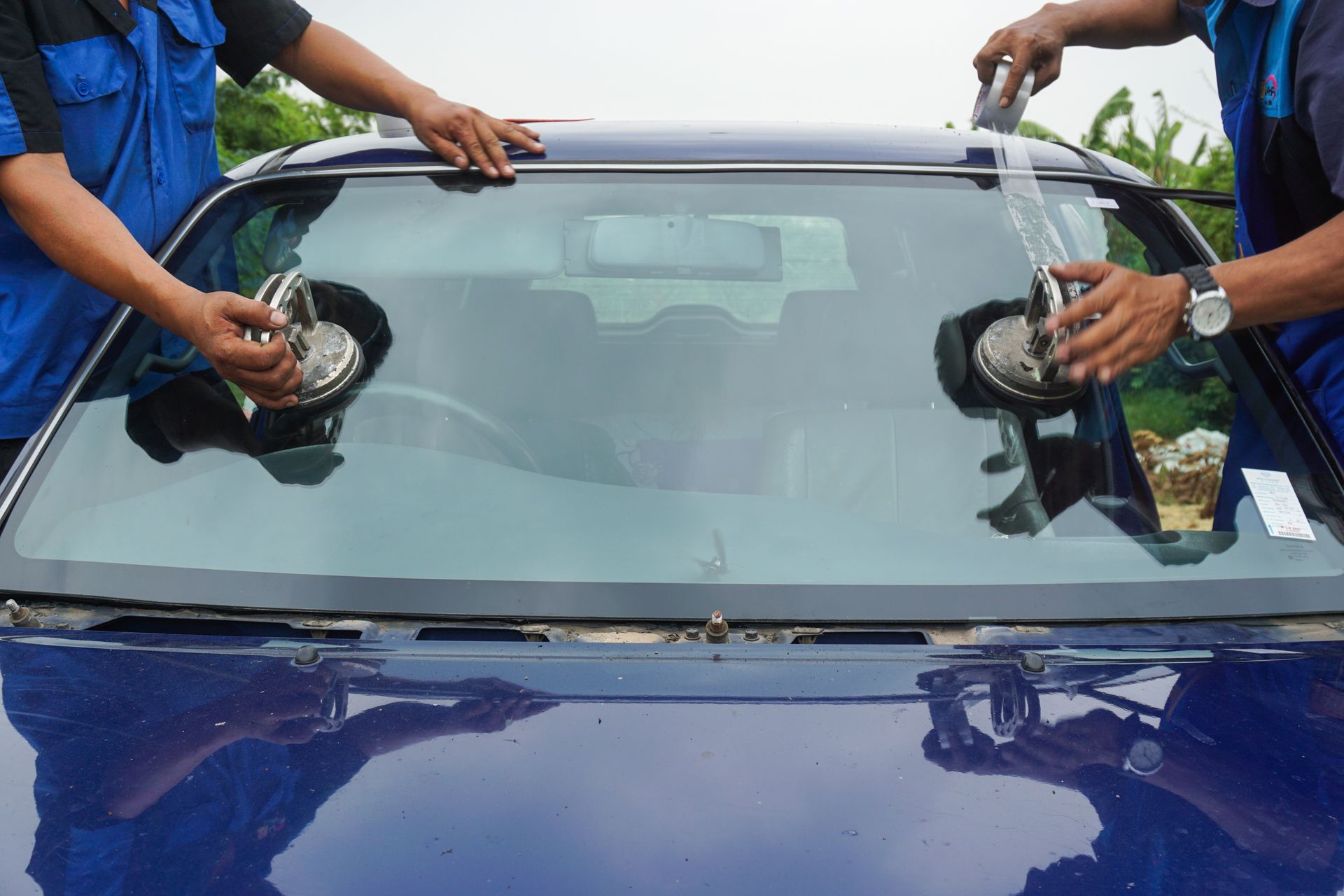
Whether it is worth it usually comes down to timing and climate. If you already need a windshield replacement, upgrading to solar-coated glass can be a smart choice, since the labor is already included. In that situation, the extra cost may feel more reasonable than doing it as a special upgrade on its own.
In a place like Yuma, heat reduction is not a small luxury. It directly affects comfort and how hard the A/C system has to work after the vehicle has been parked in the sun. We usually tell drivers to think about how often they deal with scorching cabin temperatures, because that is where the value becomes much easier to feel.
How To Know If It Makes Sense For Your Car
The best way to decide is to look at how you use the vehicle. If it lives outdoors, spends hours in open lots, and turns into an oven every afternoon, solar-coated glass is easier to justify. If the car is mostly garaged, lightly driven, and already stays comfortable, the upgrade may feel less important.
A proper inspection during windshield replacement can help confirm the type of glass your vehicle already has and the options available. Some cars already come with heat-reducing glass from the factory, while others give you the choice during replacement. Knowing that before the job starts makes the decision a lot easier.
Get Windshield Replacement In Yuma, AZ With Yuma Auto Glass & Window Tint
If you are replacing a windshield and wondering whether solar-coated glass is worth the upgrade, Yuma Auto Glass & Window Tint in Yuma, AZ can walk you through the options and help you choose what fits your vehicle and your driving habits best.
Set up an inspection and find out whether a solar-coated windshield is the right move before your next replacement goes in.