A windshield leak is one of those problems that can seem small until the first good rain or car wash. You notice a damp spot on the dashboard, a musty smell, foggy glass, or water dripping near the headliner, and suddenly the windshield becomes the main suspect.
Water always finds the weak spot.
A leak around the windshield seal can be caused by age, poor installation, body damage, dried urethane, rust, or tiny gaps hard to see from outside the car. The glass may look fine, but the seal around it may no longer be doing its job.
The Windshield Is Bonded To The Vehicle
Modern windshields are not simply held in place by a loose rubber gasket. Most are bonded to the vehicle with urethane adhesive. That bond helps keep water out, holds the glass in place, and contributes to the vehicle’s structure.
If the urethane bond is damaged, thin, uneven, contaminated, or separated from the glass or body, water can sneak through. The leak may not appear directly at the opening. Water can travel behind trim, down a pillar, or along the headliner before it finally drips where you notice it.
That is why the wet spot is not always where the problem started.
Poor Windshield Installation Can Cause Leaks
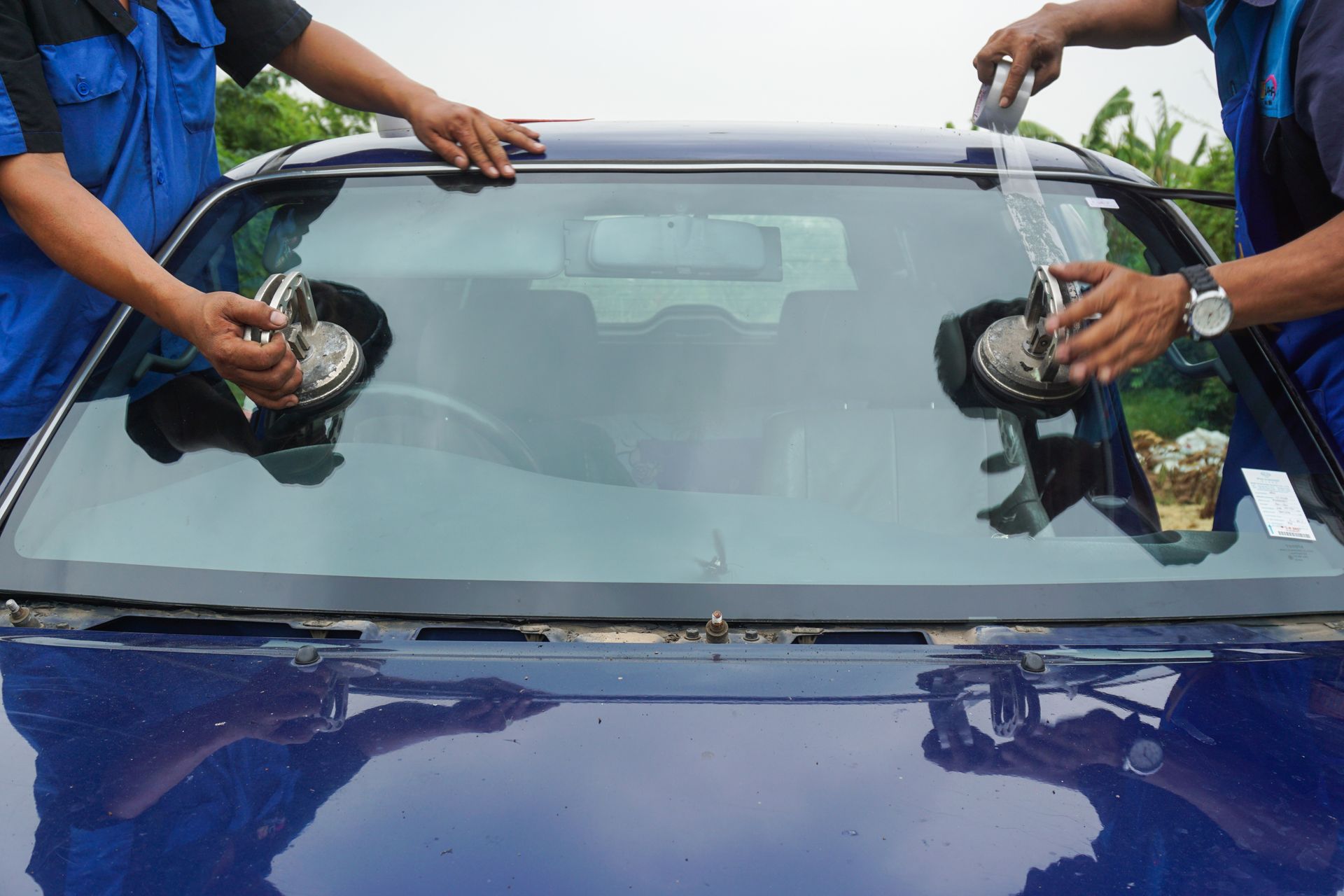
A windshield has to be installed on a clean, prepared surface. Old adhesive needs to be trimmed correctly, the pinch weld needs to be protected, and the new urethane needs the right shape and coverage. If the prep is rushed, the seal can fail early.
A small gap in the adhesive bead can be enough to let water in. So can dirt, rust, or old material left in the wrong place. If the glass was recently replaced and the leak started afterward, installation quality moves high on the list.
We look closely at the edges, trim fit, and water path before assuming the glass itself is bad. A windshield can be new and still leak if the bond was not right.
Rust Around The Windshield Opening
Rust is a common reason older windshields start leaking. The metal frame around the windshield, often called the pinch weld area, has to be solid for the adhesive to seal correctly. Once rust forms along the edge, it can lift the adhesive or create small channels through which water can pass.
Rust can start from old chips, previous glass removal, scratches in the painted metal, or years of trapped moisture under trim. In a dry climate, people sometimes assume rust is not a concern, but windshield edges can still hold moisture after washing, storms, or old repairs.
If rust is part of the problem, simply adding more sealant over the leak usually does not solve it for long. The surface underneath has to be addressed.
Body Flex Or Collision Damage Can Break The Seal
A windshield opening needs to stay properly shaped. A collision, hard body twist, poorly repaired roof damage, or even damage near the A-pillars can affect how the windshield sits. If the body is slightly out of shape, the glass and adhesive may be stressed beyond what they were designed to withstand.
Sometimes the clue is uneven trim, wind noise, a crack that keeps spreading, or a leak that appears after body work. The windshield may not be the original cause. It may only be where the body movement finally shows up.
This is one reason a careful inspection matters. If the body opening is damaged, replacing the glass without correcting the fit can leave the leak waiting to return.
Old Sealant And Weather Exposure
Heat, sunlight, dust, and time can all work on the materials around the windshield. Yuma heat is especially hard on adhesives, trim, and rubber moldings. While urethane is designed to last, older repairs, poor materials, or exposed edges can break down more quickly.
You may notice wind noise before water. A faint whistle at highway speed can mean air is getting past a weak area. If air can find a path, water may eventually find it too.
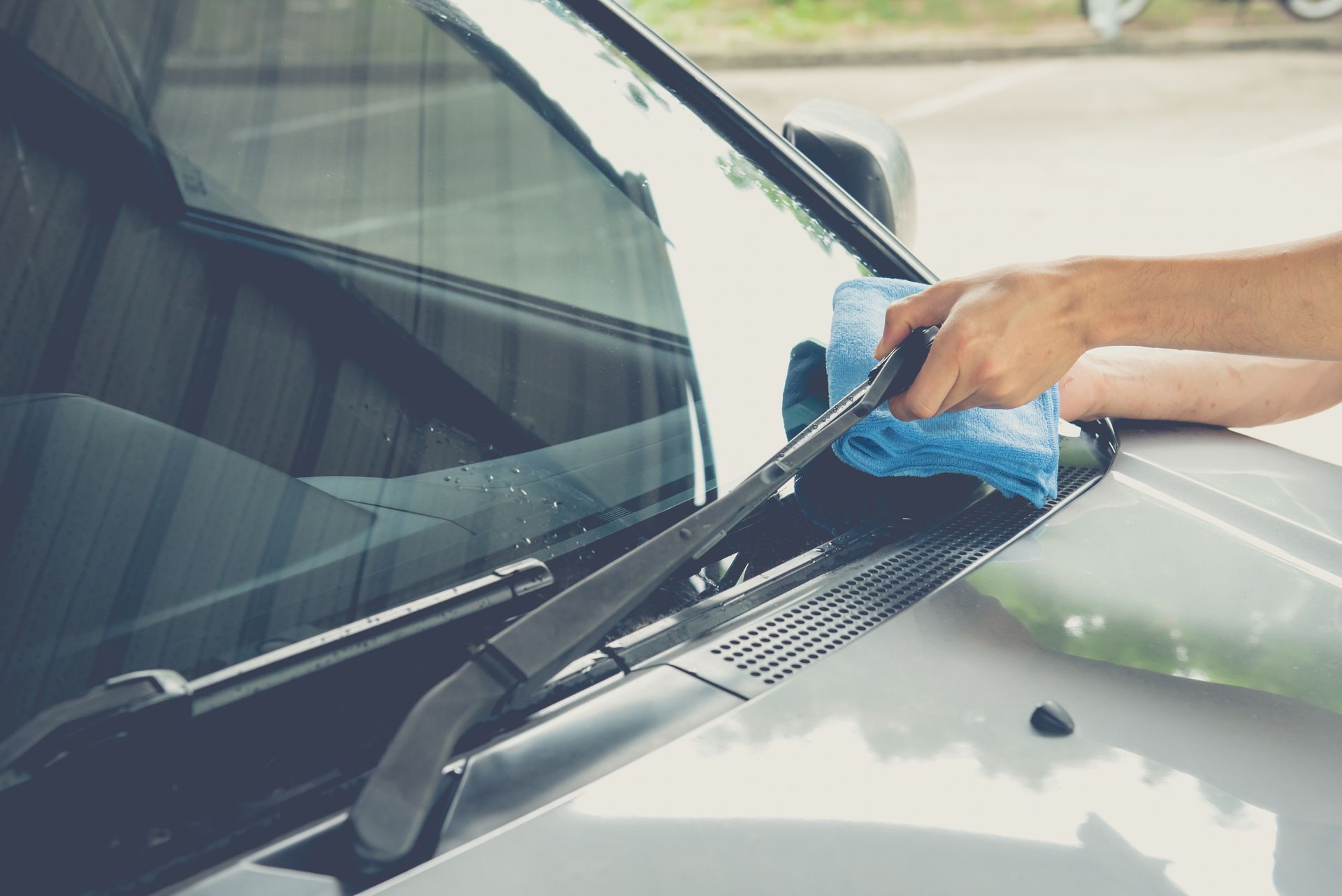
Regular maintenance is not usually where people think about glass, but checking windshield trim, chips, cracks, and water stains during service can catch small clues before the leak becomes obvious inside the cabin.
Clogged Drain Paths Can Look Like A Windshield Leak
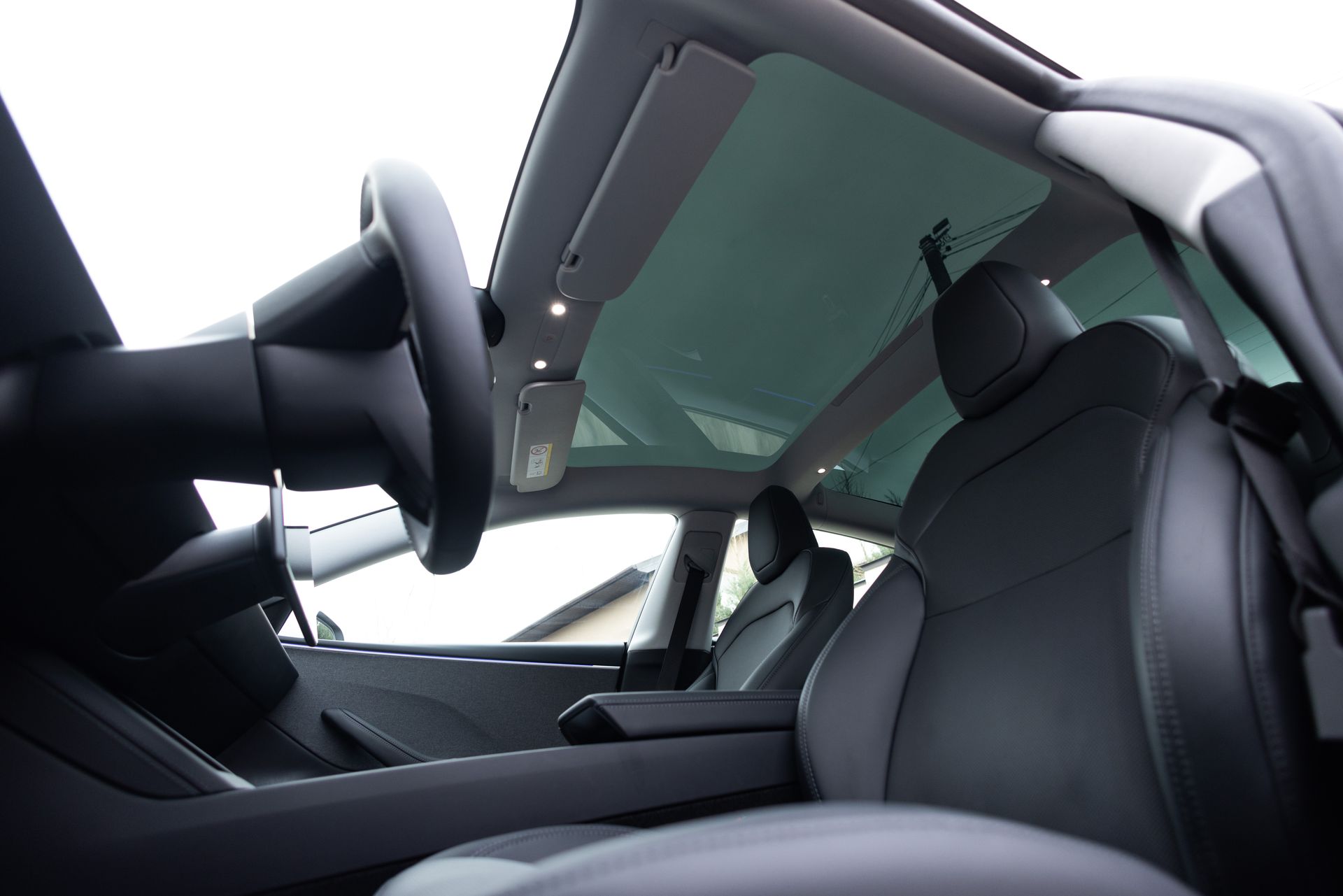
Not every leak near the windshield is actually from the windshield seal. Cowl drains, sunroof drains, door seals, roof seams, antenna mounts, and body seams can all allow water to enter the same areas. A clogged drain near the base of the windshield can send water where it does not belong.
Leaves, dirt, and debris can collect under the cowl panel. When water cannot drain properly, it may back up and enter through vents or seams. From the driver’s seat, it may look like the windshield is leaking even if the glass seal is fine.
That is why water testing matters. The leak has to be traced before anything is resealed or replaced.
Why Quick Sealant Fixes Usually Fail
It is tempting to run a bead of clear sealant around the outside edge and call it done. Sometimes that hides the symptom for a short time. It rarely fixes the real problem if the urethane bond has separated, rust is growing, or water is entering from another path.
Extra sealant can also make future repairs messier. It may trap moisture, create ugly buildup, or make it harder to remove the glass cleanly later. A proper repair starts with finding the entry point and understanding why the seal failed.
Get Windshield Leak Repair In Yuma, AZ, With Yuma Auto Glass & Window Tint
If you see water near the dashboard, headliner, pillars, or floor after rain or a car wash, Yuma Auto Glass & Window Tint in Yuma, AZ, can check the windshield seal and surrounding areas to find the source of the leak.